Last Updated on May 6, 2026 by Laura
Could one of the most powerful tools for living longer, protecting your heart, and keeping your brain sharp be readily available, you just don’t know how much you should eat or what the best sources are?
As we age, the rules of nutrition change. The strategies and routines that worked in your 30s and 40s may no longer be the right fit to keep your body and mind performing at their best.
What’s the one nutrient that sits at the center of that shift: protein.
Research is increasingly clear that adequate protein intake plays a critical role in healthy aging. Protein helps preserve muscle mass, supports heart health, protects cognitive function, and reduces the risk of chronic disease.
Yet as we age, are we getting enough? Let’s find out.
In this article, we’ll explore the powerful connection between protein intake and longevity. You’ll find simple ways to add the right amount and types of protein to support your heart and brain and your quality of life, setting you up for a long, vibrant life.
Table of Contents
Why Protein Becomes More Critical as You Age
Adequate protein is essential for healthy aging, and making sure you get enough in midlife can affect how well you age. It is especially important for maintaining our physical function, but it may also impact our brain and heart health.
How Much Protein Do You Actually Need After 50?
There has been a lot of focus on protein recently. From the hype around high-protein diets for weight loss to the increase in protein recommendations in the recent Dietary Guidelines for Americans (DGA), it can be confusing to know how much protein you should eat in a day.
The most recent DGAs suggest that an adequate protein intake for a healthy adult is between 1.2 and 1.6g/kg. Now, so you don’t feel like you need to be a math major, what that means in real life is that if you weigh 140 pounds (64 kg), you would need between 76g and 102g of protein per day.
Let’s put that in perspective. One 4 oz. cooked chicken breast has 36g of protein – or over ⅓ of what you need in a day. A half cup of cooked pinto beans has about 8g of protein, and a 6-oz serving of Greek yogurt has about 15g.
Protein’s Role in Healthy Aging
How we age – for better or worse – is tied to how we eat.
People who follow a Mediterranean-style diet (fruits and vegetables, whole grains, seafood, beans, nuts and seeds, and low-fat dairy) tend to have lower rates of chronic disease. But there is more to it than that.
Protein is essential for health. It has been at the forefront of nutrition discussions recently, and for good reason. While most adults don’t have trouble getting enough protein, it can become more difficult as we age. Plus, our protein sources could use some fine-tuning as we age.
Let’s look at what the research is showing.
Reason #1 – Protein Supports Your Muscles
Without realizing it, we naturally lose some of our muscle strength over time. This slow loss of muscle starts in our 30s and gradually increases as we age. It happens for a variety of reasons:
- Hormones responsible for building muscle (growth hormone and testosterone) decrease.
- Our muscles change. Some of the muscle fibers that provide strength and structure decrease or become smaller.
- Our body doesn’t use the protein we eat as efficiently as it used to, so we need to eat more to do the same amount of work.
- Our activity levels decrease, so we aren’t maintaining our muscles as much as we used to.
When we lose muscle strength, we are at a higher risk for falls and fractures, our energy levels decrease, and gradually our ability to do daily activities decreases.
Reason #2 – Protein Keeps Your Heart Strong
We may not think about it, but our heart is one of the most important muscles in our body, and keeping it strong is vital to a long and healthy life.
While much of the focus of “heart health” is on keeping arteries clear, that’s not the whole plan. We also need to support the strength and function of the heart muscle.
In addition to keeping the heart muscle strong, eating enough and the right type of protein can support heart health indirectly. Protein helps stabilize our blood sugar, supports a healthy weight, and may help lower LDL (bad) cholesterol levels and keep chronic inflammation at bay.
When it comes to protein choices, quality matters:
Start with more plant-based proteins:
- Beans, peas, and lentils
- Nuts and seeds
- Soy foods (like tofu, tempeh, and edamame)
- Whole grains (such as barley, quinoa, and oats)
Not only are these great sources of protein, but these foods are also rich in fiber and other beneficial nutrients that support heart health.
Include heart-healthy seafood:
Fatty fish like salmon, sardines, and swordfish or mahi mahi provide omega-3 fatty acids, which are linked to reduced inflammation and improved heart health. Aim for 2–3 servings per week.
Add lean animal proteins in moderation:
Beyond the protein, lean cuts of beef, pork, and poultry provide important nutrients like iron, zinc, and vitamin B12. These essential vitamins and minerals support energy and immune function. As a dietitian, I recommend eating animal proteins a few times per week, focusing on lean options.
One thing to keep in mind: a high-protein, very low-carbohydrate diet isn’t necessary for heart health. Nor is it a healthy approach, as it does not provide the balance your body needs. We don’t need fad diets. A more moderate, balanced approach is the most beneficial long-term.
Reason #3 -Protein Keeps Your Brain Sharp
Protein plays an important role in keeping your brain sharp. The amino acids in protein are used to make neurotransmitters, or the chemical messengers that support memory, mood, and focus.
As we age, we are more aware of the connection between consistently low protein intake and muscle loss and overall frailty. But that’s not the only risk! Chronic low protein intakes can also impact brain health. Some research suggests that inadequate protein may be linked to a higher risk of cognitive decline. However, this is often part of a bigger picture that includes overall diet quality and lifestyle.
Emerging research highlights the connection between your gut and your brain. Many protein-rich plant foods—like beans and lentils—also provide fiber that supports a healthy gut microbiome. In turn, a healthy gut may positively influence brain health, mood, and inflammation levels.
Reason #4: Protein Supports Your Bone Health
Did you know that our bones are constantly being remodeled?
Protein isn’t just important for rebuilding muscles and tissues. It is also essential for building and maintaining bone strength, which is an important way to reduce our risk for falls and fractures.
Some research shows that higher protein intakes are associated with improved bone mineral density and a lower risk of hip fractures in older adults.
That said, bone health is about more than just protein. Nutrients like calcium and vitamin D are essential, and weight-bearing and strength-training exercises play a critical role in maintaining bone strength. It’s one of a team of players when it comes to keeping our bones strong.
Reason #5 – Protein Supports Weight Maintenance
Maintaining a healthy weight as you age isn’t just about eating less. Weight maintenance is also about preserving muscle, managing appetite, and supporting a healthy metabolism. Protein plays a key role in all three.
First, as mentioned above, protein helps protect lean muscle mass, which naturally decreases a bit with age. This matters because muscle helps your body burn more calories, even at rest.
Protein also helps control our appetite. It’s very satiating, meaning it helps you feel fuller for longer. This can reduce mindless snacking, make it easier to keep our calorie intake under control, and lessen the temptation for high-calorie, low-nutrient snacks.
In addition, protein has a slightly higher thermic effect, meaning your body uses more energy to digest and metabolize it compared to carbohydrates or fat. While this effect is modest, it can contribute to overall energy balance over time.
Perhaps most importantly, adequate protein intake supports long-term weight maintenance. It helps you maintain strength, mobility, and independence—all of which make it easier to stay active and engaged in daily life.
The bottom line: Protein doesn’t just support weight loss. It helps you maintain a healthy weight by preserving muscle, managing hunger, and supporting your metabolism.
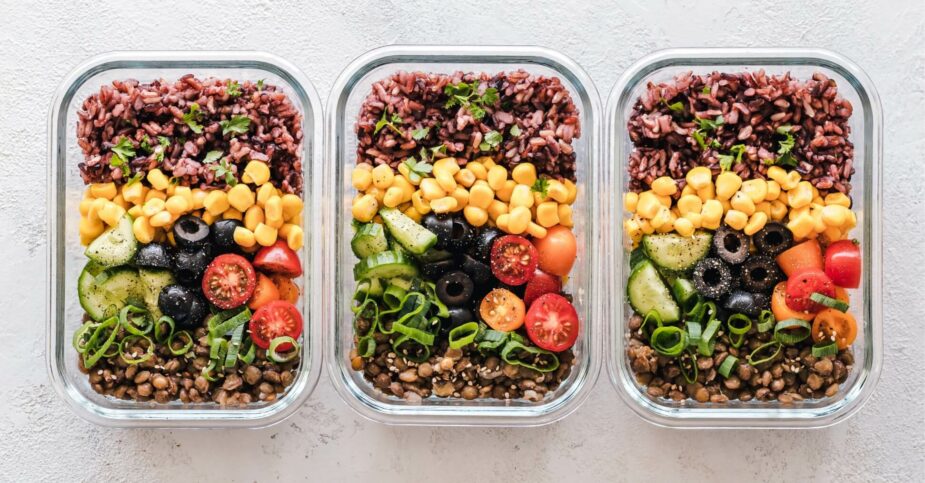
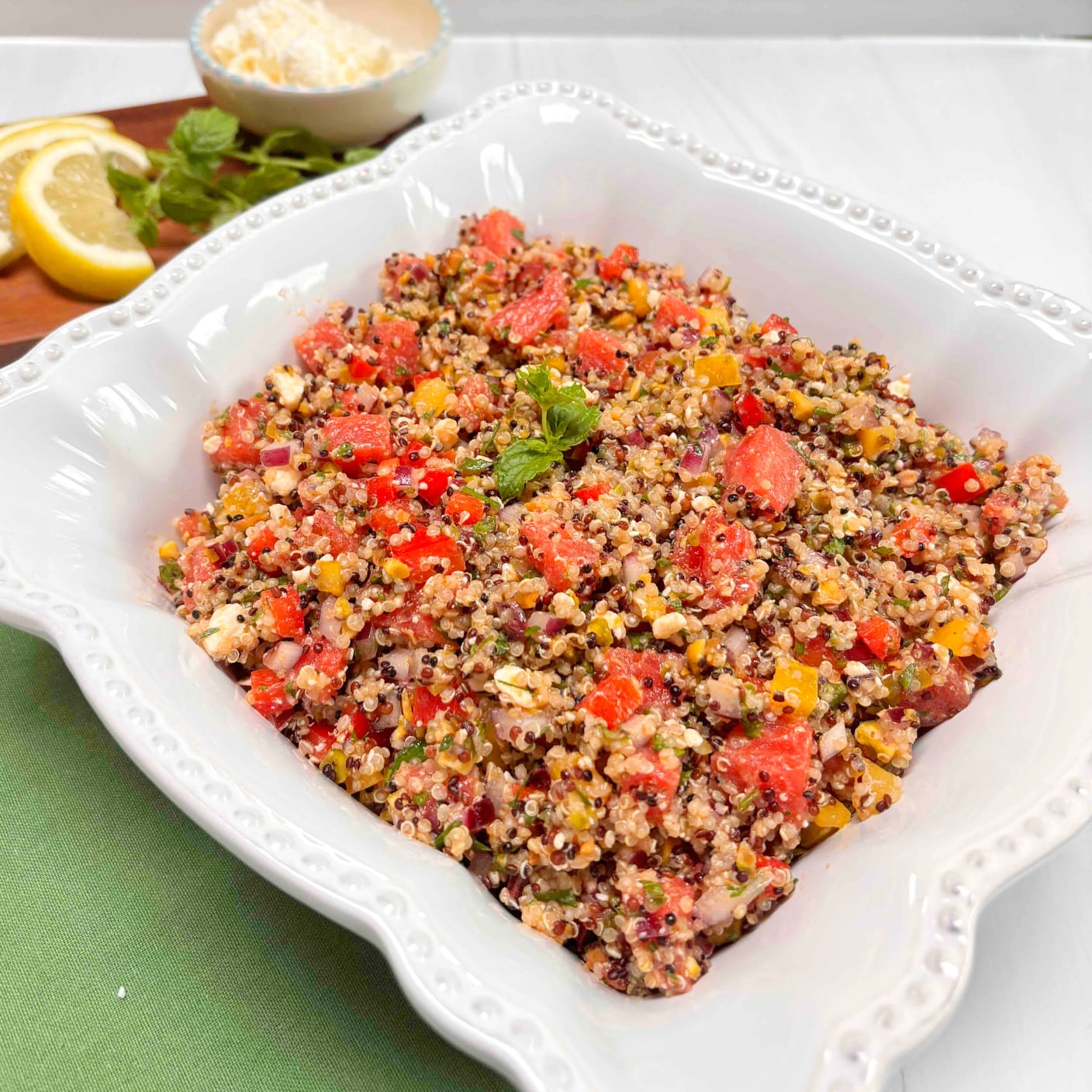
For easy, delicious ways to put this into practice, check out my Build a High Protein Bowl post and my High Protein Snacks guide.
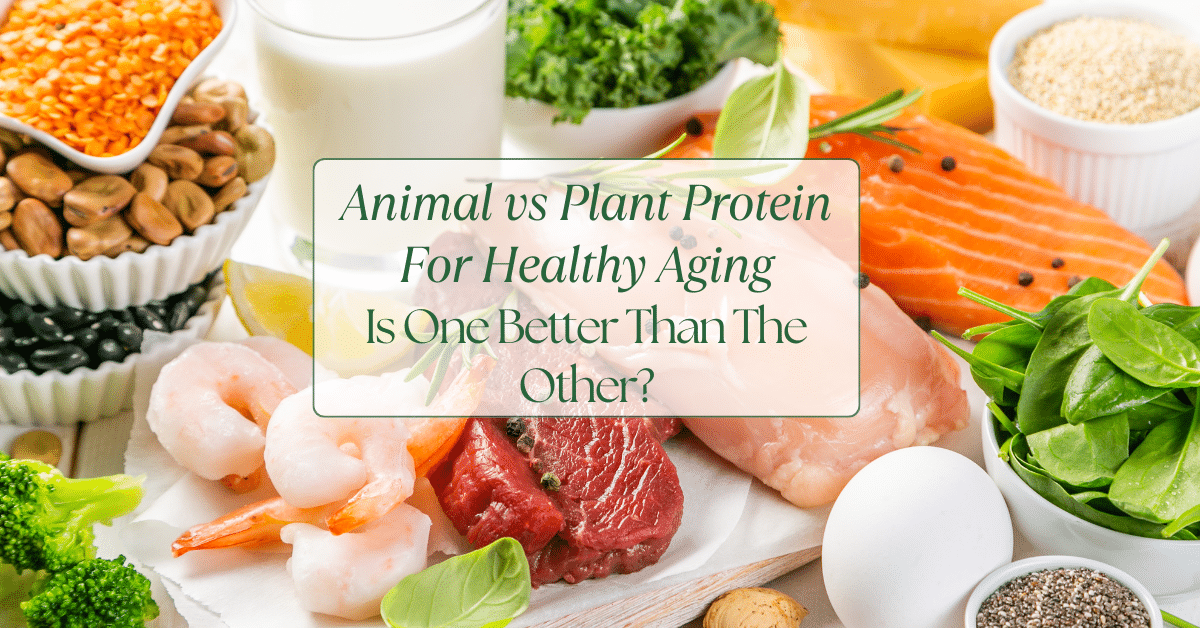
Animal vs. Plant Protein: Which Is Better?
You might wonder, does the type of protein really matter? Yes and no. Both animal and plant proteins offer unique benefits, and the best approach often includes a mix of both.
Animal protein
Animal protein, including meat, poultry, seafood, eggs, and dairy products, is a complete protein. This means they have all nine essential amino acids that are needed for health. This makes them especially helpful for maintaining muscle as you age.
However, some animal-based foods can also be higher in saturated fat, sodium, and calories, which, when consumed in excess, may increase the risk of conditions like heart disease and cognitive decline.
You can still enjoy animal protein! Look for leaner cuts of beef and pork, like cuts marked “loin” or “round.” Think pork tenderloin or top round steak. You can also look for labels marked “lean” or “93% lean” or greater.
Seafood is another great animal protein option. You can find some of my favorite types of seafood in my post about the Health Benefits of Seafood.
Low-fat dairy products like yogurt, milk, and even some types of cheese, along with eggs, are other healthy animal protein options. Choose a variety of these throughout the week for a balanced diet full of protein.
Plant-based protein
Most plant proteins, including soy products, beans and legumes, vegetables, and grains, don’t always have all essential amino acids. But that’s actually okay – you don’t need to get them all in one meal. Eating a variety of plant-based foods throughout the day easily provides everything your body needs.
Plant proteins also have added benefits: they’re rich in fiber, vitamins, minerals, and antioxidants, and tend to be lower in saturated fat and calories. In fact, research suggests that people who eat more plant-based proteins enjoy a longer life and a lower risk of chronic disease [SOURCE].
What’s the bottom line? You don’t have to choose one over the other. Including a balance of both animal and plant proteins can help you meet your protein needs while supporting overall health as you age.
Protein Timing: Does It Matter?
Should you eat the majority of protein first thing in the morning, right after you exercise, or is it better to space it throughout the day? You’ll hear all sorts of advice on social media from so-called experts, but what’s the truth?
Eating protein-rich foods throughout the day is best. Since protein is filling, having some at every meal and a little with snacks will help keep you feeling full and satisfied and help you minimize those between-meal munchies.
Spacing protein out also helps with building and repairing muscles better than loading up at one meal.
So, if you are aiming for 90g of protein a day, let’s spread it out! At meals, the goal is 20 – 25g, and 10 – 15g for snacks is a good way to think about it.
What A Protein-Rich Day Looks Like
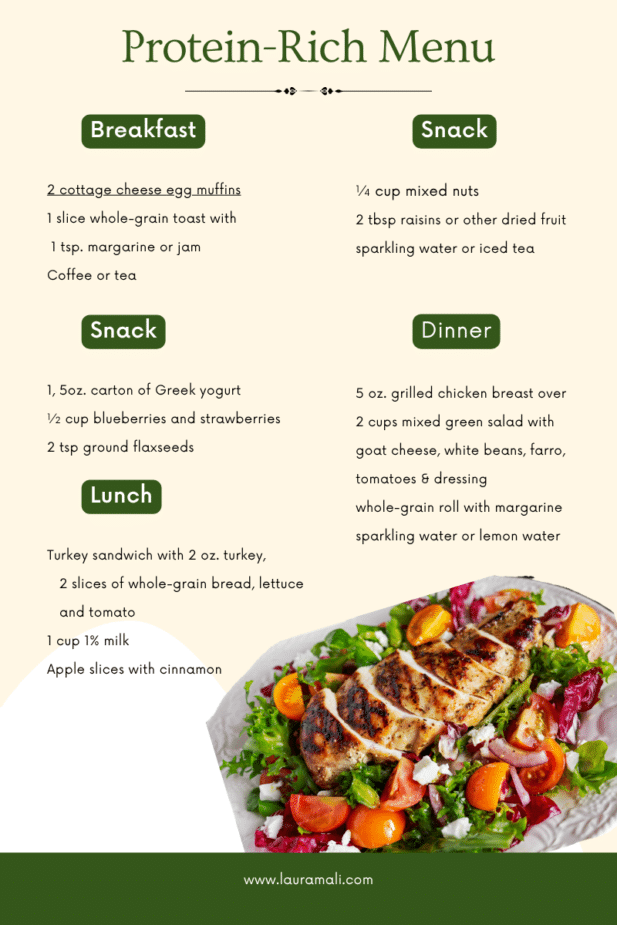
Let’s take a look at what an average day might look like. This meal plan has about 2,000 calories and 120 grams of protein, which shows it isn’t hard to get over 100 grams of protein while still keeping your calories under control and your diet balanced.
Bottomline
Protein is a powerful ally when it comes to healthy aging. Choosing a variety of protein sources, spreading your intake throughout the day, and finding simple ways to add protein to meals and snacks can go a long way in supporting your muscles, heart, brain, and bones.
The good news? You don’t need to overhaul your diet to make it happen. A few small, consistent changes can help you feel stronger, more energized, and well-nourished as you age.
For easy, delicious ways to put this into practice, check out my Build a High Protein Bowl post and my High Protein Snacks guide.
Frequently Asked Questions -FAQs
Most healthy older adults need between 1g/kg/body weight and 1.2g/kg/body weight, or 0.45g per pound of body weight to 0.54 g protein per pound of body weight.
Lean proteins like chicken, lean meat, and seafood, along with a variety of plant-based proteins including beans, nuts, and soy products, are the best types of protein for healthy adults.
There is very limited evidence that diets low in protein may be linked to cognitive decline, and the type of protein may also play a role. Focusing on a balanced diet with lean protein and including a variety of vegetable proteins like beans, nuts, and soy, as well as eating plenty of fruits, vegetables, and whole grains, is your best bet for protecting brain health.
Research on high-protein (over 1.8g/kg body weight) diets and heart health is conflicting. Some recent studies have shown an increase in heart disease, especially in older adults, while others have shown a decreased incidence. The key driver seems to be the type of protein eaten. Diets rich in plant protein have a lower incidence, while diets high in animal protein have higher rates of heart disease.
Plant proteins are lower in fat and saturated fat and higher in antioxidants and fiber. They tend to be better for your heart. Some research has show when plant proteins are swapped for high-fat or highly processed animal proteins, the risk of heart disease is significantly decreased.
For healthy people, a high-protein diet has not been shown to cause damage to the kidneys or increase their risk of kidney disease.
Some types of protein, including red meat, highly processed red meats, and non-dairy animal protein, have been linked to an increase in kidney stones. Dairy protein has been associated with a decreased incidence of kidney stones. Some proteins have been found to increase oxalate while also lowering the acid level of urine. Both can lead to the formation of kidney stones.