Fiber doesn’t always get the same attention as protein, but it has been in the spotlight recently. As a Registered Dietitian, that makes me happy. Very happy.
Fiber is a nutrient most of us don’t get enough of, yet it is a non-negotiable for our long-term health.
Dietary fiber plays a critical role in digestion, heart health, blood sugar control, and gut health. But its importance goes even further. Research consistently shows that diets rich in fiber are linked to a lower risk of chronic disease and improved longevity, making fiber a cornerstone nutrient for healthy aging.
Despite its well-documented health benefits, most Americans get about half the recommended amount every day – egad.
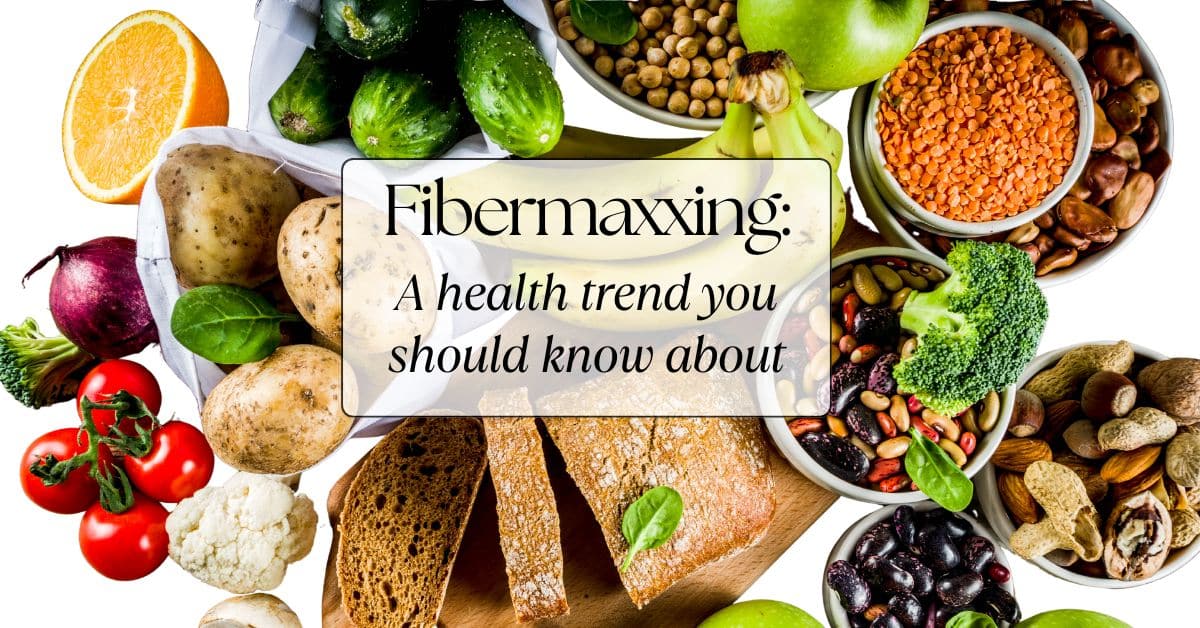
If you’ve recently heard the term fibermaxxing circulating on social media, the message behind the trend is worth paying attention to. Find ways to get more fiber in your diet every day.
Understanding what fiber is, why it matters, and how to include more of it in your everyday meals can have a meaningful impact on your health, energy, and quality of life over time.
Hi, I’m Laura, a Registered Dietitian and Culinary Nutritionist, and I love sharing delicious and easy recipes to help you live a vibrant and active life. In this article, we’ll talk about essential fiber facts, what it does in the body, how much you really need, and practical ways to add more delicious, fiber-rich foods to your day.
What is Dietary Fiber?
Dietary fiber is the part of plant foods that the body cannot digest or absorb. Instead of being broken down, fiber passes through the digestive system.
- Slow down digestion
- Feed healthy gut bacteria
- Regulate blood sugar
- Help us to feel full and satisfied
- Helps lower cholesterol levels
What Are the Main Types of Fiber?
There are three main types of dietary fiber:
- Soluble fiber, which dissolves in water, helps lower cholesterol and control blood sugar.
- Insoluble fiber, which adds bulk to stool and supports regular digestion.
- Fermentable fibers, also known as prebiotics, are non-digestible fibers that provide energy for healthy gut bacteria.
You can find one or all three types of fiber in foods.
Soluble fiber is found primarily in:
- Fruit
- Beans and lentils
- Whole grains like oats and barley
- Nuts and seeds like chia seeds.
Insoluble fiber is found in:
- Whole grains, including whole-grain bread, brown rice, quinoa, and bulgur wheat
- Vegetables, especially cruciferous vegetables like broccoli, Brussels sprouts, and cauliflower
- Nuts and seeds
Fermentable fiber is found in:
- Beans
- Fruits, including apples and berries
- Onions and garlic
- Cruciferous vegetables, including artichokes, asparagus, broccoli
- Whole grains, including oats, barley, and rye
How Much Fiber Do You Really Need as You Age?
The Institute of Medicine recommends that most adults aim for 28–35 grams of fiber per day, depending on your age, gender, and calorie needs.
Unfortunately, most Americans consume less than half of this amount, which can increase the risk of digestive issues and chronic disease.
What Are The Best Fiber-Rich Foods?
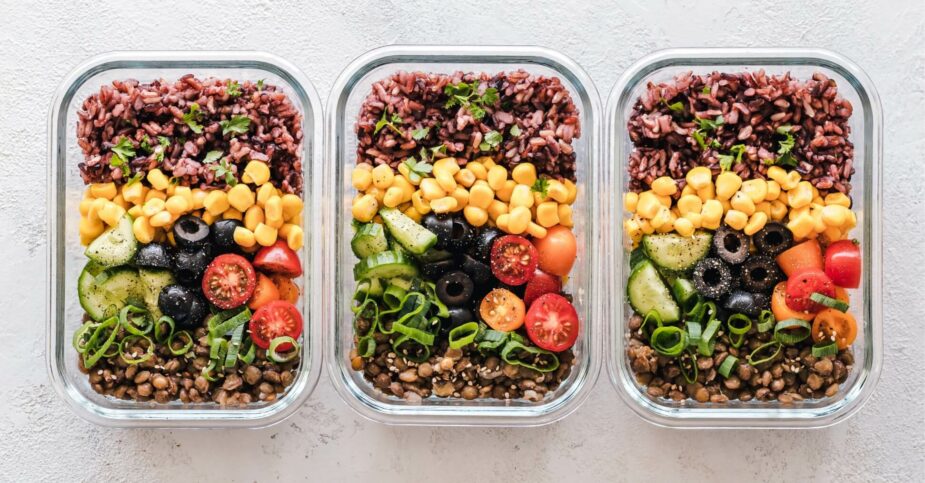
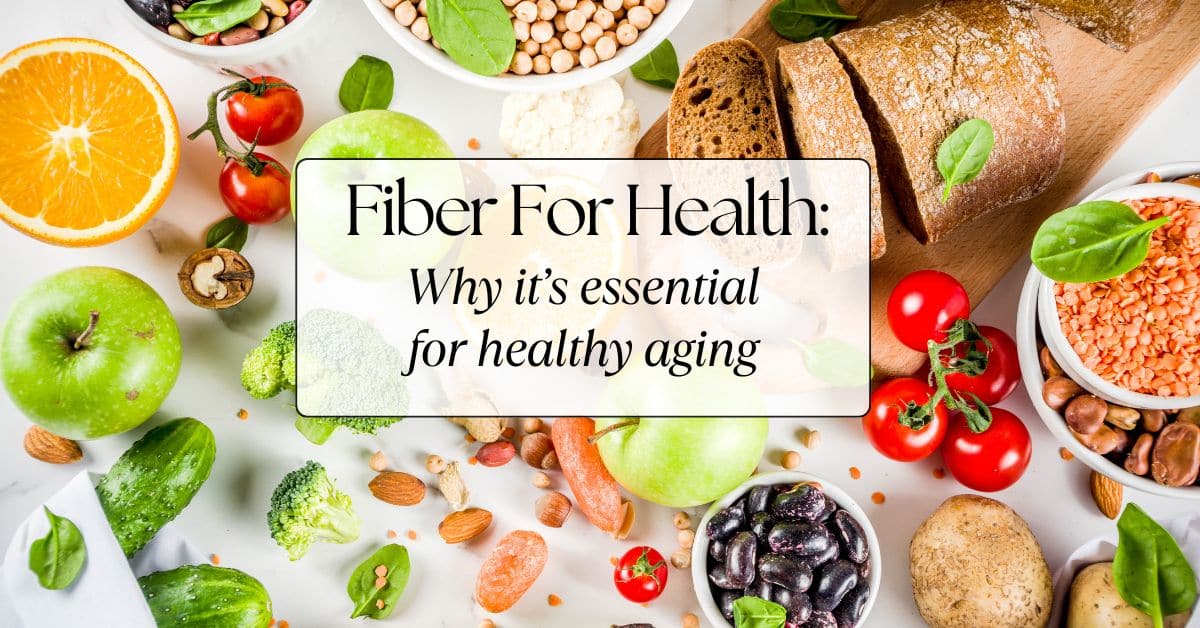
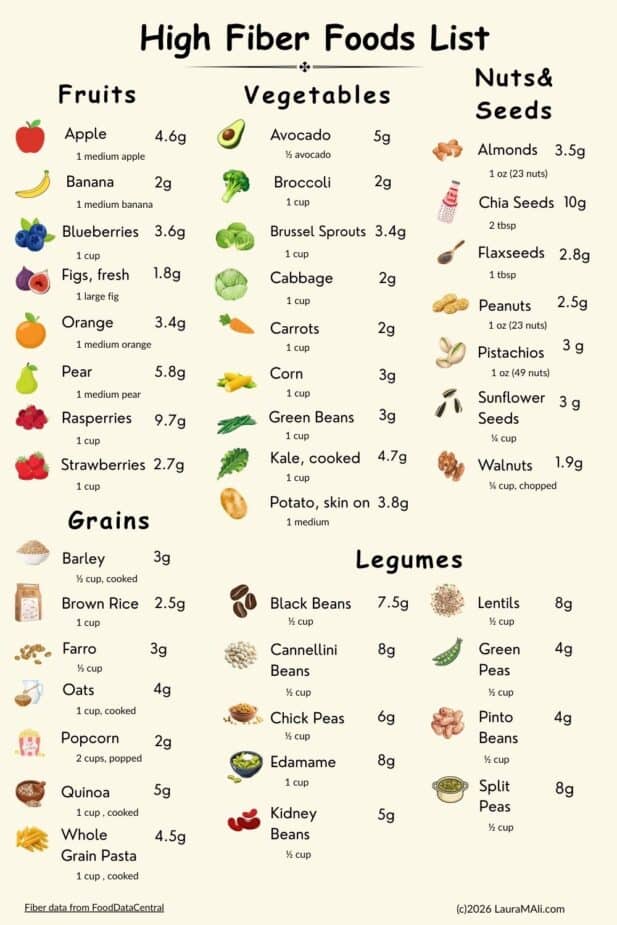
Fiber is found in plant foods, including fruit, vegetables, whole grains, legumes, and nuts and seeds. Here is a list of some of my favorite foods and their fiber content.
- Fruits such as berries, apples, pears, and oranges
- Vegetables like broccoli, Brussels sprouts, and carrots
- Legumes, including beans, lentils, and chickpeas
- Whole grains such as oats, barley, and whole wheat
- Nuts and seeds like chia, flax, and almonds
Health Benefits of Fiber
Brain Health
Can adding more fiber to your diet help support a healthy brain? Quite possibly.
Research on fiber and cognition is evolving. Scientists are interested in the gut–brain axis—the two-way communication system between the gut and the brain. The health of our gut microbiome appears to influence inflammation, mood, and cognitive function.
How can we help? With more fiber! Fiber feeds the troops! These beneficial gut bacteria thrive when they’re offered enough fiber from diverse plants.
Why This Matters As We Age
As we age, protecting brain health becomes increasingly important. Fiber supports a healthy gut, which plays a role in inflammation, mood, and communication between the gut and the brain. While research is still emerging, nourishing your gut with fiber-rich foods may be one simple way to support long-term cognitive health.
Heart Health
Fiber plays a major role in protecting our hearts. It binds to cholesterol in our digestive system, helping remove it from the body as waste. This process has been shown to lower LDL (“bad”) cholesterol levels, reducing the risk of heart disease.
Why This Matters As We Age
Heart disease risk increases with age, especially for women after menopause. Fiber helps lower LDL (“bad”) cholesterol and supports heart health in a gentle, food-first way. Including more fiber-rich foods is a practical step you can take every day to protect your heart over the long term. Bring on the oats and berries for breakfast!
Weight Loss
Eating more fiber has been associated with weight loss and with helping maintain weight. High-fiber foods tend to be filling and slow digestion. Adding more high-fiber foods can help decrease the munchies and keep you feeling full longer.
Why This Matters As We Age
Metabolism, appetite signals, and body composition often change with age. Fiber helps you feel fuller longer, supports healthy digestion, and can make weight maintenance feel more manageable—without extreme dieting or restriction.
Digestive Health
Fiber-rich foods help keep our GI system regular. They pull fluid into the GI tract, speeding transit time, improving stool consistency, and providing food for healthy bacteria.
A healthy gut microbiome supports nutrient absorption and plays a role in immune and metabolic health.
Why This Matters As We Age
Digestive changes, including constipation and bloating, become more common as we age. Fiber supports regularity and feeds beneficial gut bacteria, helping your digestive system work more comfortably and efficiently.
Blood Sugar Control
Soluble fiber slows the absorption and digestion of food, helping regulate our blood sugar levels. Adding more fiber to the diet through food and supplements has been shown to lower fasting blood sugar levels and fasting insulin levels.
Why This Matters As We Age
Blood sugar regulation becomes more important with age, even for people without diabetes. Fiber helps slow digestion and steady blood sugar levels, supporting metabolic health and sustained energy throughout the day.
Cancer Risk Reduction
Higher fiber intake has also been associated with a lower risk of several types of cancer, particularly colorectal cancer.
Observational studies consistently show that individuals who consume more fiber, particularly from whole foods such as fruits, vegetables, whole grains, and legumes, tend to have a lower risk of colorectal cancer.
Why This Matters As We Age
As we age, our risk for colorectal cancer naturally increases, but so does the power of our food choices. Eating enough fiber supports a healthier gut, improves regularity, and helps create an environment in the colon that may reduce cancer risk. Think of fiber as one small, daily habit that can have long-term protective benefits.
Tips for Adding Fiber-Rich Foods
Try a few of these simple tricks to incorporate more fiber-rich foods into your day.
- Slice a crisp apple and top it with crunchy peanut butter for a snack.
- Add ½ cup cannellini or kidney beans to a vegetable or chicken noodle soup.
- Mix oats with milk or kefir and fresh or frozen raspberries for an easy morning breakfast.
- Use hummus as a spread on a sandwich or wrap in place of mayo or mustard.
- Add a tablespoon or two of farro, wheat berries, or cooked lentils to a salad.
- Enjoy a snack of air-popped popcorn – I love tossing mine with a bit of parmesan cheese for a salty, savory treat. (I use this popcorn maker from Pampered Chef ®. But if you don’t have one, toss a ¼ cup of popcorn kernels in a paper bag and fold it over twice to seal it tightly. Place it in the middle of the microwave on its side and microwave it for 2 – 3 minutes. When you hear most of the popping stop. Remove and carefully unseal the top, and put the popcorn in a large bowl. You can spritz it with a little olive oil spray and sprinkle it with some Parmesan cheese – then toss it well.)
How to Increase Fiber without Bloating?
Increasing your fiber intake too quickly can cause some uncomfortable side effects, including gas and bloating. To increase fiber without digestive discomfort:
- Add fiber gradually over several days or weeks.
- Drink plenty of fluids throughout the day.
- Spread fiber intake across meals and snacks.
- Choose a variety of fiber sources rather than one food.
- Take a walk! Getting a bit of exercise helps to keep things moving and can decrease constipation and gas.
Fiber Supplements: Helpful or Hype?
Fiber supplements can be helpful for some people, but they do not replace the health benefits of fiber-rich foods. Whole foods provide additional nutrients, antioxidants, and naturally occurring fiber types that supplements cannot fully replicate.
If you can’t get enough fiber through food, a supplement can help you meet your fiber needs, but use it as that, a supplement, not a replacement for fiber-rich foods.
The Bottomline: Why Fiber is Essential for Healthy Aging
Fiber is one of the most powerful nutrients you can include in your daily routine as you age, supporting digestion, heart health, balanced blood sugar, and long-term longevity. The small choices you make each day, such as adding beans to a salad, choosing whole grains, and enjoying fruit as a snack, can truly add up over time.
Healthy aging isn’t about drastic overhauls. It’s about steady, sustainable habits that support your body for the long haul. If you’d like a simple place to start, download my Fiber-Focused Recipe Book with 25 recipes that are both nourishing and delicious. (Use code: FIBERMAX at checkout for a free copy)