Last Updated on August 5, 2026 by Laura
There’s a good chance you have these sitting in your pantry right now. A few cans tucked behind the boxes of pasta, or bags hidden behind the flour and sugar.
Beans. A wonderful nutrient-rich pantry staple that is all too often collecting dust instead of boosting health.
Whether I’m talking with people about midlife changes to metabolism or the very real concerns about heart disease and brain health, I keep coming back to beans as one of the most important foods we should include more often. Not as a New Year’s trend or a budget compromise, but a tasty and powerful food that can help support your health goals.
Hi, I’m Laura, a registered dietitian and culinary nutritionist focused on finding ways to help you enjoy delicious, healthy food and live a vibrant lifestyle. In this post, we’re going to go deep on why beans should earn their place on your plate, whether it’s the fiber that protects your heart or the B vitamins and antioxidants that support your brain.
But most importantly, I’ll share some ideas for how to enjoy them in everyday meals.
Whether you’re a lifelong bean lover or someone who hasn’t thought much about legumes since a bowl of chili in 1987, let’s dive into one of nature’s most underrated nutritional powerhouses.
Note: This post may contain affiliate links. As an Amazon Associate, I earn on qualifying purchases.
Why Beans Deserve a Spot on Your Plate
While maybe not top of everyone’s minds or something you eat every day, beans are a nutrient-rich food we should all be eating more of.
Most health organizations, including the American Heart Association, recommend eating one, ½ cup serving of beans at least 3- 6 times a week as part of a healthy eating plan. Beans are also a regular part of the Mediterranean, DASH, and MIND diets – eating plans I’m a devout fan of.
Beans have multiple health benefits, including:
- Lowering cholesterol
- Reducing blood pressure
- Supporting brain health
- Lowering blood sugar
- Supporting a healthy weight
A single ½ cup serving of beans is associated with lower LDL cholesterol (the “bad” kind), better blood sugar regulation, a healthier gut microbiome, and reduced risk of cognitive decline. Pretty impressive for a food that you can snag a can of for a buck.
A Tour of the Bean Family
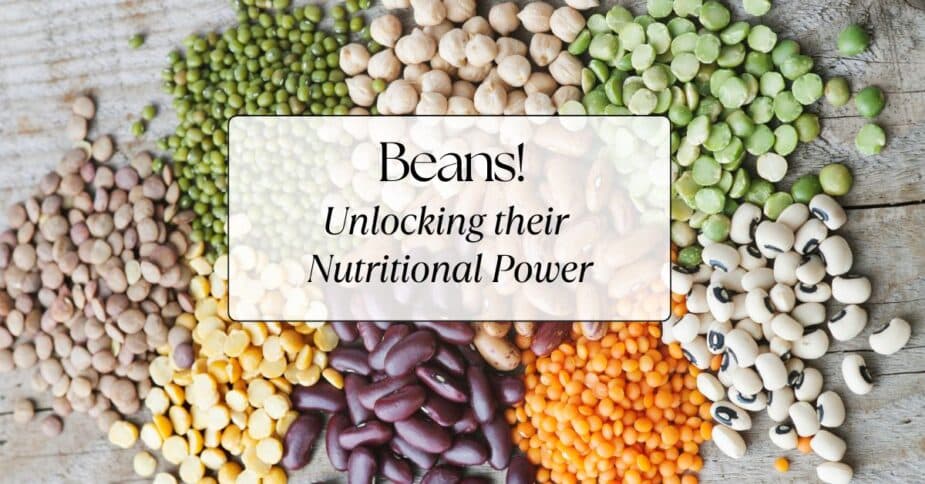
Beans belong to a larger group of plants called legumes. These plants produce seeds that grow inside pods, and those seeds are what we commonly refer to as beans. Legumes have been an important part of traditional diets around the world for centuries because they are affordable, versatile, and packed with nutrition.
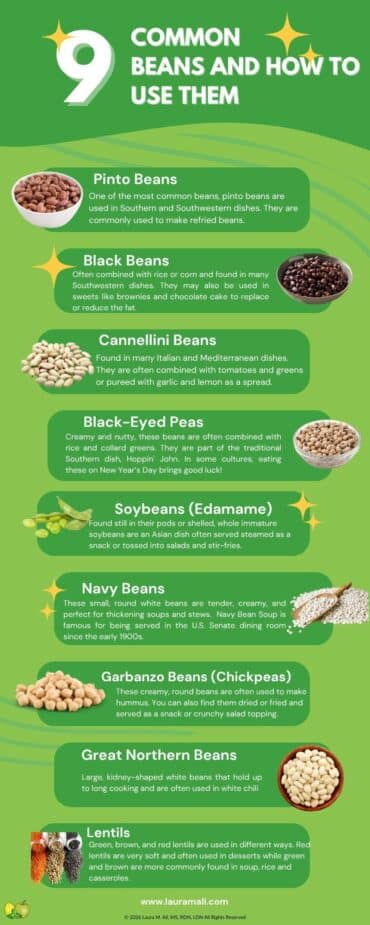
While there are hundreds of varieties of beans and legumes, there are a few that are most commonly used in cooking in the US today.
- Kidney Beans
- Cannellini Beans
- Black Eyed Peas
- Soybeans
- Pinto Beans
- Garbanzo Beans (also called Chickpeas)
- Navy Beans
- Great Northern Beans
- Lentils
Each variety has its own flavor, texture, and nutritional strengths, making beans an easy ingredient to incorporate into soups, salads, grain bowls, dips, and main dishes.
The Full Nutrition Profile – More than Just Fiber
Beans are well known for their abundant fiber content, which helps support digestion, heart health, and steady blood sugar levels. But fiber is only part of the story.
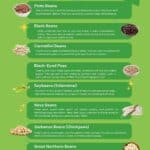
Beans also provide plant-based protein, complex carbohydrates, and a variety of important vitamins and minerals that support overall health (not to mention healthy aging and brain health). The chart below highlights several common types of beans and their nutritional profiles, showing just how much nutrition these small but mighty foods deliver.
Beans Nutrition
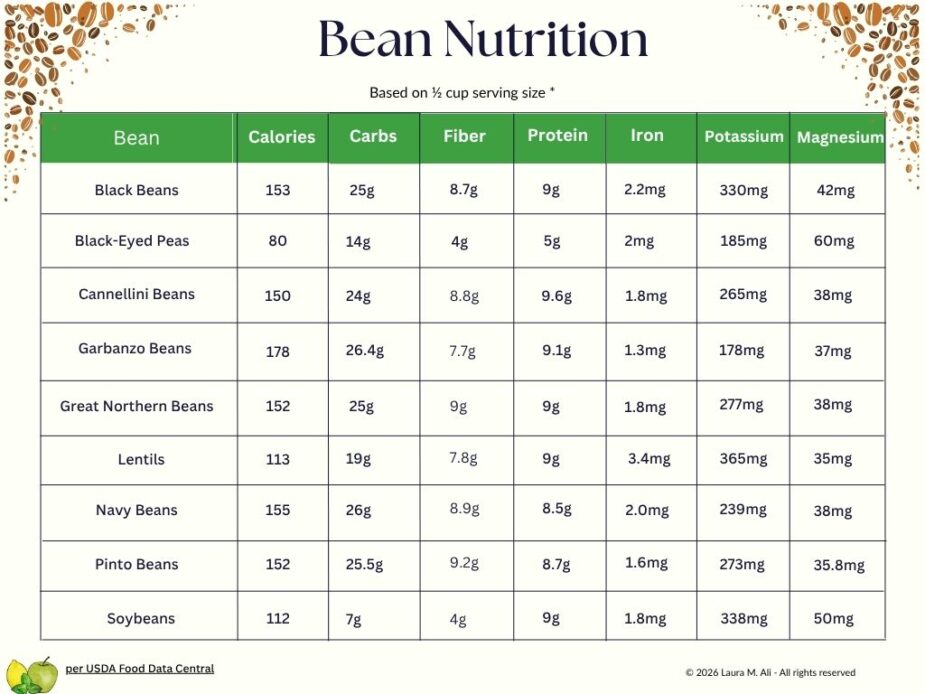
Carbohydrates in Beans
So… are beans a carb or a protein?” The answer is both! That’s actually what makes them so remarkable. As we saw in the chart above, different varieties of beans have different levels of nutrients. A half-cup of black beans provides approximately 20g of carbohydrate, with 7g from fiber and 7–8g of protein.
About 30% of the carbohydrates in beans come from fiber. Both soluble and insoluble fiber (link to fiber blog).
The fiber in beans dramatically slows the absorption of those carbs, giving beans one of the lowest glycemic index scores of any carbohydrate food. So yes, they contain carbs, but the fiber in them helps slow the absorption. This keeps your blood sugar steady and helps fill you up.
Protein in Beans
Beans are an excellent source of plant-based protein. Most beans contain 16 to 30% protein by weight. Again, it depends on which kind of bean we’re talking about, but ½ cup of beans has between 6 and 14g of protein. Which kind of bean is highest in protein? ABC!
Most beans are not what we consider a “complete protein,” meaning they are missing one or more essential amino acids. But we don’t need to get concerned about this. As long as you are eating a balanced diet and getting in other foods like whole grains, nuts, and seeds throughout the day, you’ll get all the amino acids you need.
Health Benefits of Beans
I mentioned that adding beans to your diet could be one of the best things you can do to help improve your health. Beans are an integral part of the Mediterranean, DASH, and MIND diets, three of the healthiest known eating plans in the world.
What does the research say?
Brain Health
Beans are one of the main components of the MIND diet, a nutrition framework that can reduce your risk of dementia.
We are learning how our GI tract communicates with our brain, called the “Gut-brain axis.” Our GI tract is lined with trillions of healthy bacteria that make up our “gut microbiome.” These healthy bacteria help digest food, produce neurotransmitters, reduce inflammation, and communicate directly with our brains.
Beans provide fermentable fibers that nourish these healthy bacteria, keeping them alive and thriving, which in turn supports our brain health.
They also contain polyphenols, compounds with antioxidant properties, that help reduce stress and protect the brain’s communication system. When eaten as part of an overall healthy diet, beans appear to have a protective effect and reduce the risk of dementia.
Why This Matters As We Age
The risk for Alzheimer’s disease and cognitive issues grows as we age, and we are learning that lifestyle and nutrition play a significant role in its development or prevention. Small changes in our diet can help delay the onset of issues and significantly reduce the risk. Adding beans to your daily meal plan is one simple thing you can do.
Heart Health
Beans are rich in soluble fiber, which acts like a sponge, soaking up and pulling excess cholesterol out of your body before it has a chance of being absorbed. This helps lower cholesterol levels, especially your bad cholesterol.
People who eat more beans also tend to have lower blood pressure. They are also rich in potassium and magnesium, two minerals that help regulate blood pressure. Potassium helps your kidneys get rid of excess sodium, and magnesium helps reduce pressure on your cardiovascular system.
1 cup of beans has over 1000 mg of potassium – way more than a banana, which normally gets all the potassium credit!
Why This Matters As We Age
Heart disease is the number one cause of death in America, and the risk rises as we get older.
For women, estrogen has a protective effect on our cardiovascular system, and as those levels decline, our body notices. We may see our blood pressure increase, LDL cholesterol increase, and inflammation become a greater concern. The good news is that adding more beans to our diets is a simple strategy to help reduce our risk of all of these.
Gut Health
This is an exciting area of nutritional research right now. As we talked about with brain health, our GI tract is filled with healthy bacteria that help us digest food, regulate inflammation, and communicate with our brain and potentially other parts of our body.
Beans are filled with fiber, both soluble and fermentable fibers (link to fiber blog post). Soluble fiber helps slow digestion, removes cholesterol, and helps alleviate constipation. Fermentable fibers, called prebiotics, provide food for the bacteria in our GI tract.
Why This Matters As We Age
Researchers have noticed that we have a less diverse supply of healthy bacteria in our gut as we get older. This can impact our immune system, how well we digest and absorb nutrients, and our brain health.
Blood Sugar Control
Beans are low in the glycemic index and have been shown to help reduce Hemoglobin A1C (HbA1C) in people with diabetes. The fiber and protein content of beans helps slow digestion, which also slows the absorption of carbohydrates, keeping blood sugar a bit more stable.
Why This Matters As We Age
The risk for Type 2 diabetes increases as we age, but you can reduce the risk by making small changes to your diet and lifestyle. Increasing your fiber intake, which includes eating more beans, is a great place to start.
Weight Management
Eating more beans has been associated with reduced body weight when consumed daily over 6 weeks and reduced body fat and waist circumference in women.
Why This Matters As We Age
As we age, our metabolism slows down, and we just can’t eat the way we used to. Finding foods that are lower in calories, high in protein, and filling will help maintain our weight and our muscle mass.
Making Beans a Part of Your Meal Strategy
Cooking beans does more than soften them and enhance their flavor—it also boosts their nutritional value. Heat helps improve digestibility and makes the protein in beans more available for your body to use.
Cooking also reduces naturally occurring compounds known as anti-nutrients that may interfere with the absorption of certain minerals. That means properly cooked beans deliver even more of the nutrients your body needs.
Dried vs. Canned?
Beans are available in two forms: dried in bags or canned, already processed. Both are great options, and which you choose largely depends on the time you have available and your budget.
Dried beans are sold in bags and do take some time to cook, so we do have to plan ahead here. They need to be soaked overnight and then gently simmered in fresh water until they are tender. An Instant Pot or pressure cooker cuts down on the cooking time, and you may not need to presoak them.
The advantage of dried beans is that they don’t contain any added sodium, which allows you to season them as you like. They are also less expensive than canned beans.
Canned beans are a quick option when you are short on time. They are cooked and ready to eat right from the can. Just drain and rinse them before adding them to your soup or salad.
Canned beans can be high in sodium, but there are reduced-sodium and no-added-salt versions available. And rinsing and draining them removes about 40% of the sodium, which also helps cut down on excess sodium.
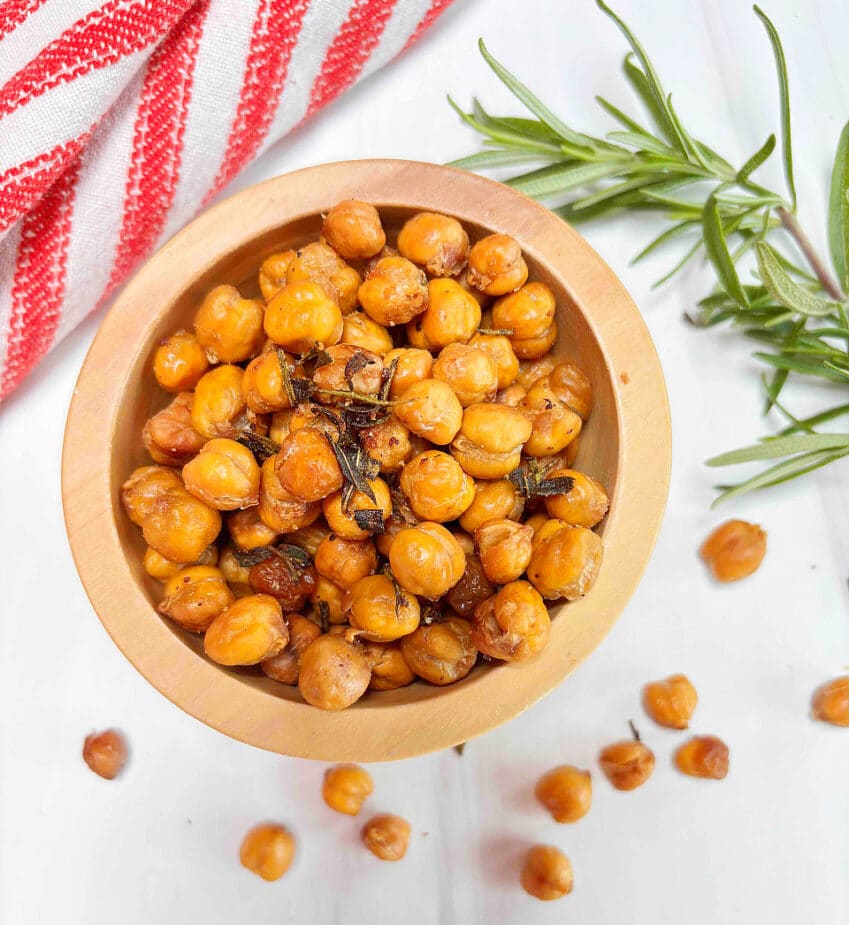
If you’re short on time or just starting to experiment with beans, seasoned canned beans and ready-to-eat options like air-dried chickpeas can be a great place to begin. These products come pre-seasoned and full of flavor, making it easy to add beans to your meals without much prep.
While some varieties can be higher in sodium, they can help you discover new flavors and build confidence using beans in your cooking. Once you find a few favorites, you can always adjust seasonings and explore lower-sodium options as you go.
All of these options are nutrient-dense choices that are full of plant-based protein, fiber, vitamins, and minerals. Which is best? They are all good choices, but the one that you will eat and enjoy is the best!
Frequently Asked Questions
Don’t Beans Cause a Lot of Gas?
Beans can be a bit difficult to digest, and if you aren’t used to eating them frequently or aren’t used to a high fiber diet, they may cause some GI discomfort in the form of excess gas. If you are new to eating beans, start slowly and add a ¼ cup at a time.
Are beans better than grains as a carbohydrate source?
Beans are a nutrient-rich carbohydrate and provide a fair amount of protein. While not “better” than grains, they provide different nutrients and add variety to your meals.
Do Beans spike Blood Sugar?
Beans do not spike your blood sugar. They are rich in fiber and protein and lower on the glycemic index scale. They help keep your blood sugar steady, preventing spikes.
Are beans good to eat on a low-carb diet?
Beans do contain carbohydrates, so whether they fit into a low-carb diet depends on your specific carb goals. However, because they’re rich in fiber and protein, they can be a more nutritious carbohydrate choice than many other foods.
Are beans good to include in a high-protein diet?
Beans are a good source of plant-based protein, though they don’t provide as much protein per serving as animal-based foods. For example, most beans offer about 12–15 grams of protein per cooked cup, compared to about 25 – 30 grams of protein in a chicken breast.
Are beans gluten-free?
Yes, beans are naturally gluten-free. Many gluten-free flours and pasta products are often made with pulverized beans or bean flours.
Quick Tips for Cooking and Using Beans
- Rinse canned beans before using. This helps remove excess sodium, reduces the risk of you having gas, and improves the flavor.
- Cook a large batch of dried beans. Freeze portions in small containers so you always have beans ready for quick meals. Freeze them in resealable, reusable freezer-safe bags.
- Start small if you’re new to beans. Gradually adding them to your meals gives your digestive system time to adjust.
- Use simple prep methods to reduce gas. Soaking dried beans overnight, discarding the soaking water, and cooking them thoroughly can help reduce the compounds that cause digestive discomfort. Rinsing canned beans can also help.
Recipe Ideas to Inspire You
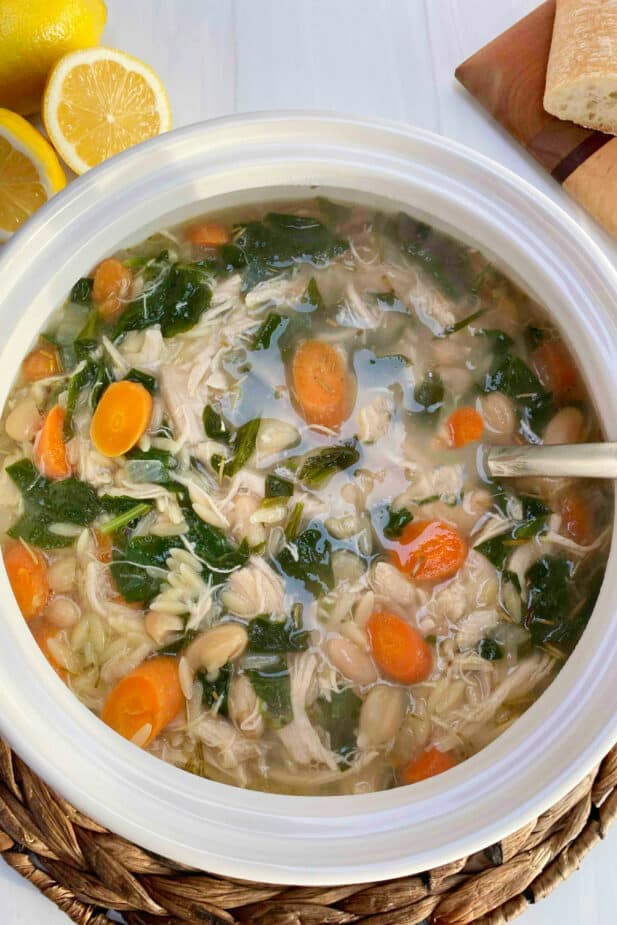
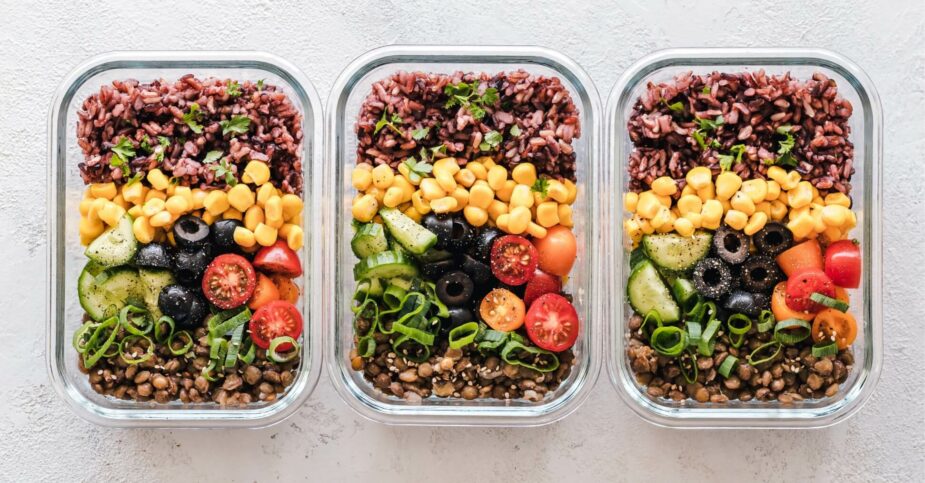
Beans can be added to soups, salads, grain bowls, side dishes, entrees, and even desserts. Here are some of my favorite recipes that include beans.
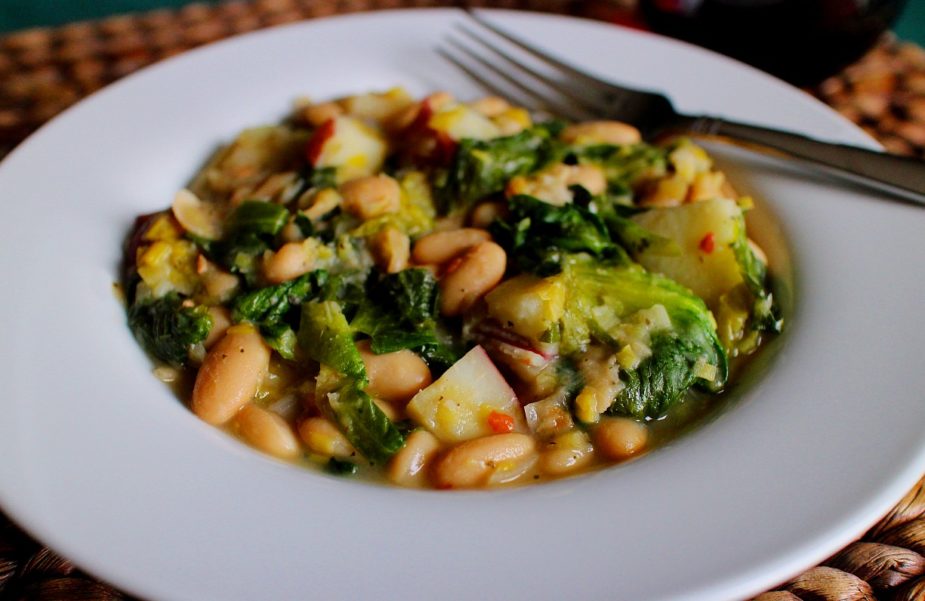
Beans and Greens – A classic southern Italian dish that can be a main dish or side.
Southwestern Style Smoked Turkey Sausage and Rice – A smoky and slightly spicy bowl filled with rice and black beans, this is a hearty entree that is a perfect weeknight meal.
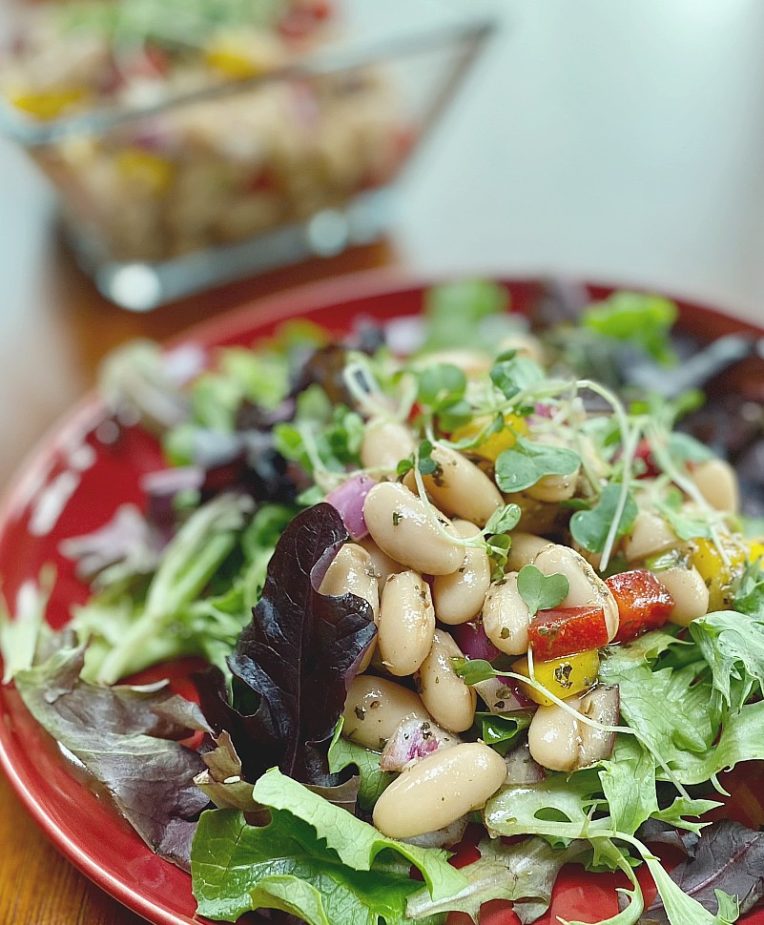
Italian Bean Salad – Cannellini beans tossed with vegetables and a zesty Italian vinaigrette make this a fresh side dish. Serve this alongside roast chicken or grilled pork.
Oven Baked Falafel – This plant-based main dish is made with bulgur wheat, garbanzo beans, and tahini. Serve over a salad or in a pita with spring greens for lunch or dinner.
Final Thoughts
Beans are one of the simplest and most affordable foods you can add to your meals to support healthy aging.
With their combination of fiber, plant-based protein, vitamins, and minerals, they provide powerful nutrition in every serving.
Whether you choose canned beans for convenience or cook a batch from dried beans, adding them to soups, salads, grain bowls, and main dishes is an easy way to boost the nutritional value of your meals.
Finding delicious ways to add a serving of beans at least a few times every week can make a lasting difference in supporting your heart, brain, and digestive system. Check out some of my favorite bean recipes today.