Last Updated on August 21, 2026 by Laura
Did you know that all of those little bottles of spices and herbs in your pantry are secret kitchen superheroes hiding in plain sight? They add bursts of flavor to our food and can also boost our culinary masterpieces with bonus nutrients.
Yep, herbs and spices are bursting with health benefits that go beyond just making your taste buds dance.
As a culinary nutritionist and registered dietitian, I love how these flavor-packed gems not only add flavor to our meals but also support our well-being.
In this post, we’re diving into the science-backed wonders of herbs and spices and debunking a few myths along the way. We’ll focus on how adding these seasonings to your everyday cooking can support your health, especially as we age.
So, let’s see how our next kitchen adventure might get a whole lot tastier and healthier!
Once you finish this, check out my new guide on using these culinary gems in your kitchen: “12 Must-Have Spices and Herbs: What to Stock and How to Use Them”
First up: Let’s take a quick look at the key players. We often use the terms herbs and spices interchangeably, but there are a few key differences.
What is the Difference Between an Herb and a Spice?
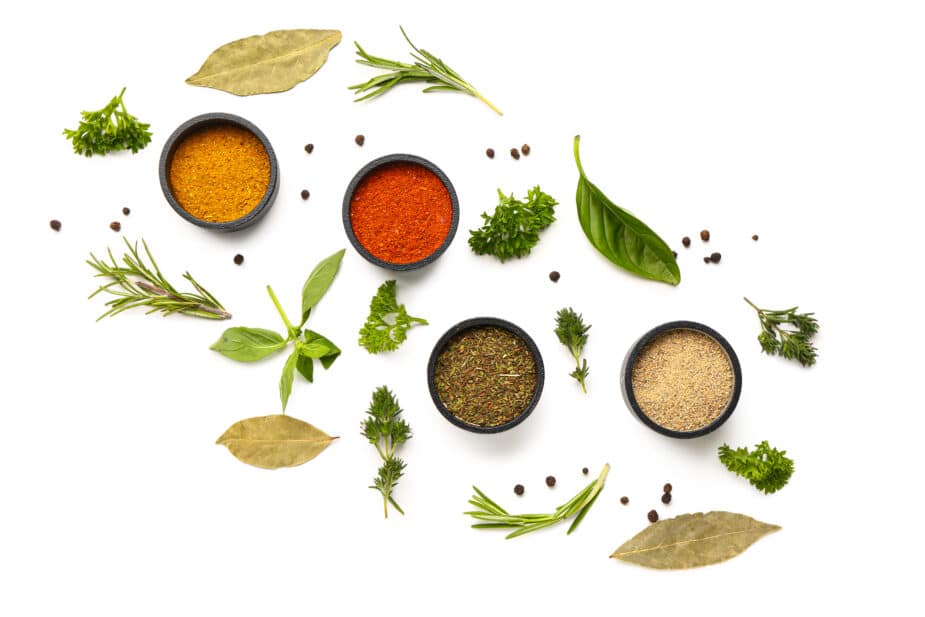
While herbs and spices both add flavor, they’re not the same thing.
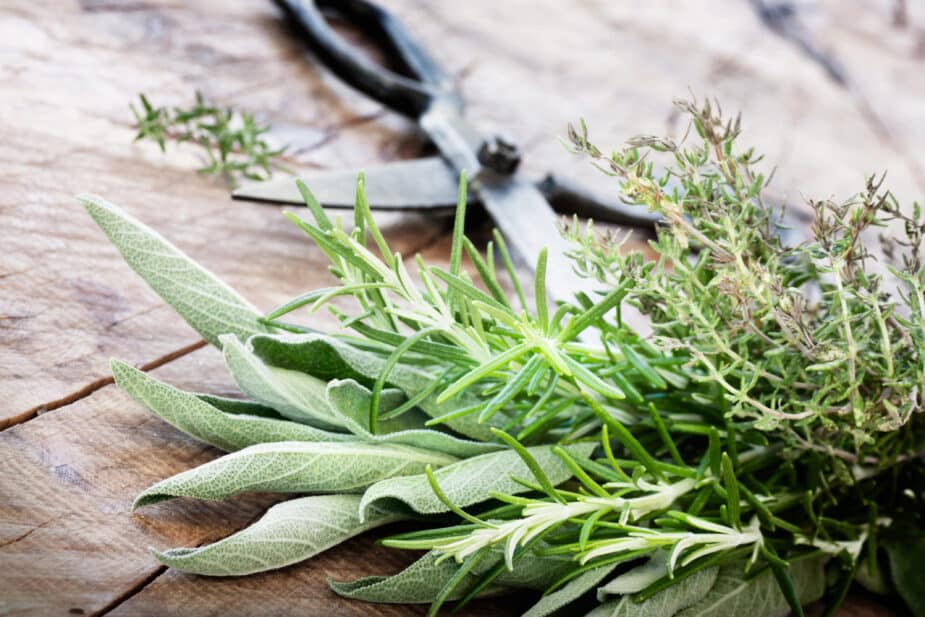
- Herbs are the leaves and stems of a plant. You can use them fresh or dried. Think: basil, rosemary, and thyme.
- Spices, on the other hand, come from seeds, roots, flowers, or even the bark of a plant. They are typically used in their dried form and in much smaller amounts than herbs. For example, black pepper, ginger, and cinnamon.
Of course, things are not black and white. Some plants may be both an herb and a spice. Cilantro and dill are two great examples. Their seeds are dried and used as spices, while the greenery and stems are herbs.
Now that we know what herbs and spices are and how they differ, let’s dive into the good stuff: their health benefits galore.
Can Using Herbs and Spices Support Healthy Aging?
Beyond using herbs and spices to add flavor to food, they have also been used for centuries to help manage illnesses – everything from stomach upsets and headaches to more serious concerns.
While many of their uses have been passed down by word of mouth and tradition, what is exciting now is that emerging research suggests adding them to our diets may provide health benefits!
Take the Mediterranean diet, for example. While it emphasizes eating more beans, fruits, and vegetables, the role of herbs often gets overshadowed. Yet they are just as important, as they provide an abundance of nutrients.
Herbs and spices are concentrated sources of antioxidants and other healthy nutrients. These nutrients give color and flavor to fruits, vegetables, and herbs and also provide health benefits.
Think about hot red peppers. Capsaicin is what gives them their bright color and makes you sweat a bit after eating them, right? Well, capsaicin is also an antioxidant! It may help boost your metabolism and lessen acid buildup in your stomach.
Let’s dive into a brief review of the science-backed benefits these culinary gems may offer our health.
While you’re reading, keep in mind that this review focuses on adding herbs and spices to your everyday cooking, not on taking them as supplements.
Quick disclaimer: If you are interested in starting herbal supplements, talk with your registered dietitian. While I am a registered dietitian, I’m not your dietitian!
Benefit #1: Herbs and Spices That Protect Your Memory
One of the main reasons we think people struggle with memory as they age is the buildup of plaques in the brain.
These plaques get in the way: they interfere with our communication system and blood flow to the part of the brain that forms memories.
While more research is needed to fully understand how it works, we know that many of the nutrients and compounds found in herbs and spices may help clear plaques. Some may even prevent those plaques and tangles from forming in the first place!
Another way herbs may help with protecting our memory is by reducing inflammation and oxidative stress in our brains.
Tamping down inflammation helps to keep blood flowing and delivers important messages to our brains – kind of like spraying a fire with a fire extinguisher.
Preventing oxidation is also helpful, but this works a bit differently. It is like putting a protective sealant over the cells in our brains, just as you might apply a sealer to your deck to prevent water damage.
The antioxidants in herbs work the same way in our brains, protecting those precious cells from oxidative damage that can impact our memory and cognitive function.
Some of the herbs that you can include regularly in your meals that may help with memory, sleep, and mood include:
*Keep in mind that we’re talking about using herbs and spices in regular amounts in cooking. See the chart below for suggested amounts for everyday cooking. Also note, these amounts are not the same as taking supplements. If you are interested in learning about supplements, talk with your own dietitian.
Benefit #2: Herbs and Spices Help Reduce Your Risk of Heart Disease
In much the same way that the nutrients in herbs may reduce plaque buildup and inflammation in our brain, using herbs can help reduce our risk of heart disease. The nutrients in herbs may:
- Lower LDL (bad) cholesterol levels
- Lower total cholesterol levels
- Reduce plaque buildup in our arteries
- Lower inflammation in our blood vessels.
One example comes with a little heat! Chili peppers are rich in antioxidants and in a compound called capsaicin, which makes them so darn hot. This spicy chemical also has anti-inflammatory and possibly metabolism-boosting benefits.
Curcumin – The rich yellow compound in turmeric – has some protective effects against heart disease. Some research has found that small amounts of curcumin can lower total and LDL cholesterol levels and increase HDL levels (the “good” cholesterol) in people with coronary heart disease. Even better – smaller amounts were more effective than larger ones, so a little goes a long way.
Garlic has a long history of being used to reduce the risk of heart disease. Research shows it may help by keeping your arteries flexible, increasing blood flow through them.
Another way herbs and spices can help reduce the risk of heart disease is by encouraging us to use less salt when cooking. While salt can bring out the flavors in our food, consuming too much has been linked to high blood pressure. High blood pressure can increase your risk of heart disease and strokes.
The herbs you can add to your meals that may help reduce the risk of heart disease include:
- Chili peppers
- Turmeric
- Cumin
- Garlic
- Parsley
- Corriander
- Cinnamon
Benefit #3: Herbs and Spices Support Bone Health
As we age, we lose bone mass. This happens in both men and women, but women are more susceptible to a significant loss of bone after menopause. While diet and exercise can help strengthen our bones, the role of herbs in our diet is less well established.
However, because of their rich nutrient content, especially nutrients like potassium, fiber, vitamin K, and polyphenols, including herbs and spices in our diets may be helpful and play a part in reducing bone loss.
Our bones are living tissue, just like our skin and muscles. Our body is constantly remaking bone tissue.
Our bones stay healthy when the rate of bone tissue rebuilding keeps up with the amount being broken down. However, if more bone tissue is lost than replaced, bone density decreases, which can lead to osteoporosis.
While dairy products and vitamin D are best known for building strong bones, herbs can also contribute to bone health. Along with fruits and vegetables, they provide beneficial plant compounds that may help slow bone breakdown and support healthy bone density over time.
Adding some of these herbs to your recipes may help support your bone health, including:
- Parsley
- Sage
- Rosemary
- Thyme
- Garlic
Benefit #4: Herbs and Spices Help Support Our Immune System
Because of their antioxidant properties, many herbs we use daily may help support our immune system. Both cooked and raw herbs and spices have been shown to reduce inflammation and strengthen our immune response.
Rosemary is a well-known antioxidant, and it is often added to foods to help extend their shelf life. Those antioxidant properties also help reduce inflammation and strengthen our immune system.
Some compounds in garlic also help stimulate our immune system and reduce oxidative stress.
Some of the most well-researched herbs and spices that you can add to your meals to support your immune system are:
Benefit # 5: Herbs and Spices Keep Our Gut Healthy
While this may sound counterintuitive, some of the spiciest herbs may have the greatest positive impact on gut health. Some evidence has suggested that chili peppers and black pepper are especially helpful.
Chili peppers inhibit acid secretion in the GI tract, which helps ulcers heal and increases the number of beneficial bacteria that support our gut microbiome.
Like chili peppers, regular black pepper may also support gut health by increasing the enzymes we need to digest food.
Turmeric has been shown to help relieve symptoms of irritable bowel syndrome and ulcerative colitis in some people.
Ginger is often recommended to help settle stomachaches and upset stomachs. Yup, that’s why your mom always gave you ginger ale to sip on when you had a stomach bug!
Some herbs and spices that may support gut health:
- Chili pepper
- Black pepper
- Turmeric
- Parsley
Benefit # 6: Herbs and Spices Support Weight Management.
Some herbs, especially spicy ones like chili peppers, may increase our metabolism and therefore aid weight management, and there may be truth to that.
Some research has shown that certain herbs may increase the number of calories we burn, reduce fat cell accumulation, and increase feelings of satiety.
Studies using the equivalent of ½ to 2 teaspoons a day of some herbs and spices have shown reduced body weight and waist circumference.
Some of the herbs that may help with weight management include:
- Chili Peppers
- Cinnamon
- Ginger
- Black Pepper
- Turmeric
Benefit #7: Herbs and Spices May Help Lower Blood Sugar
Have you heard that adding cinnamon to your oatmeal or coffee may help lower blood sugar? Well, there might be something to that, though the research remains controversial.
Several studies have shown that cinnamon supplementation has helped lower fasting blood sugar levels. In some studies, as little as half a teaspoon a day has been shown to have a positive effect, while others have needed up to 2 teaspoons a day.
One way it is thought to work is by increasing insulin sensitivity. This makes it easier for sugar to get from our bloodstream into our cells so it can be used for energy. Other research suggests that adding cinnamon to food may slow digestion, which can help keep blood sugar levels lower.
Ginger may also play a key role in maintaining healthy blood sugar levels. Because it is known to reduce inflammation, it may improve insulin resistance and lower fasting blood glucose levels.
For most people, adding a bit of cinnamon or ginger to their morning oatmeal or to cooking is just fine. If you do have diabetes and are taking medication to reduce your blood sugar, talk with your dietitian or diabetes educator before adding any supplements or changing your diet. Suddenly adding large amounts (more than a teaspoon a day) may lower your blood sugar too far.
Herbs that may help with blood sugar:
- Cinnamon
- Ginger
- Turmeric
- Black Cumin
- Saffron
Fresh vs. Dried Herbs: Which Has More Nutrients?
Both fresh and dried herbs add flavor and nutrition to your meals.
Fresh may have slightly more antioxidants than dried, but it depends on the herb or spice. The drying process may diminish some antioxidants, including vitamin C.
Dried herbs are highly concentrated, so a little goes a long way. They retain many of their beneficial antioxidants and plant compounds (called polyphenols), and in some cases, these compounds are even easier for your body to absorb after the herbs have been dried.
How Can You Use Herbs and Spices in Everyday Cooking for Health Benefits?
Adding herbs and spices to your everyday cooking is an easy way to bring more flavor and a variety of beneficial plant compounds to your diet. Many herbs and spices are rich in antioxidants and other phytochemicals, even when used in relatively small amounts.
But how much do you actually need to consume to see a health benefit? There isn’t a clear answer yet for most herbs and spices. While many have been studied for their potential effects on heart health, blood sugar, inflammation, and other health effects, much of the research has used concentrated extracts or supplemental amounts, not the quantities you would typically use when preparing meals.
This makes it difficult to translate it into a specific amount you should eat each day. The amounts in the chart below are not recommendations or established doses. Instead, think of them as practical examples of ways you might incorporate a variety of herbs and spices into your regular cooking.
Rather than focusing on reaching a specific amount, try using herbs and spices generously enough to add flavor and variety to your meals. Over time, regularly cooking with a range of herbs and spices can be one small, flavorful part of an overall healthy eating pattern.
Keep in mind: More isn’t necessarily better. Concentrated herbal or spice supplements can provide much higher amounts than you would typically consume in food and may not be appropriate for everyone. If you’re considering an herb or spice supplement, especially if you take medications or have a health condition, talk with your healthcare professional first.
Note: The examples below aren’t recommended doses. Instead, they offer practical ways to incorporate common herbs and spices into everyday meals while highlighting some of the health benefits that have been studied.
| Herb or Spice | Potential Health Benefits | Everyday Ways to Use It |
| Basil | Weight management | Add ½ to 1 teaspoon of dried or fresh basil to pasta, on top of pizza, beans, or flatbreads. |
| Cinnamon | Blood sugar regulation; antioxidant activity | Add ½ to 1 teaspoon to yogurt, oatmeal, smoothies, or baked goods. |
| Cumin | Cholesterol and triglyceride levels | Add 1 teaspoon to soups, tacos, beans, grains, or roasted vegetables. |
| Curcumin | Mood and memory | Found in turmeric – add ½ to 1 teaspoon to rice, soups, smoothies, milk. |
| Garlic and Garlic Powder | Blood pressure and cardiovascular health | Add 1- 2 minced cloves to sauces, soups, and other savory dishes. Add ½ teaspoon garlic powder to seasoning blends, dressings, and dry rubs. |
| Ginger | Blood sugar regulation, digestive health | Add 1 teaspoon ground ginger to baked goods, smoothies, or sauces. Use fresh ginger in stir-fries, curries, or oatmeal. |
| Rosemary | Cognitive function; antioxidant and anti-inflammatory activity | Add ½ to 1 teaspoon dried rosemary or 1 teaspoon fresh chopped leaves to roasted potatoes, vegetables, beef, marinades and dressings. |
| Turmeric | Inflammation and oxidative stress | Add ½ to 1 teaspoon to soups, curries, sauces, warm milk, or grains. |
Safety and Interactions to Know About
In general, using herbs and spices in amounts needed to flavor your meals is perfectly safe. However, there are some potential medication interactions if you use high amounts or take herbal supplements.
A few common herbal supplements that may interact with medications include:
Turmeric – the curcumin in turmeric is a mild blood thinner, and high doses may cause internal bleeding. Health professionals also recommend caution if you are on chemotherapy, have diabetes, or are taking a GLP-1, as it may reduce the effectiveness of some chemotherapy drugs and may lower blood sugar levels.
Garlic in large amounts (the amount found in concentrated garlic supplements, which is equivalent to 3 – 6 garlic cloves) may cause bleeding, especially for people on blood thinners.
Cinnamon is known to help lower blood sugar levels and may reduce blood pressure in some people. If you take medications to reduce your blood sugar, including insulin and GLP-1s, talk with your doctor and monitor your blood sugar and blood pressure closely.
Frequently Asked Questions (FAQs)
There’s real research behind it, building on centuries of traditional use. Studies now back benefits for memory, heart health, blood sugar, and gut health. While the research is still in the early stages and herbs work best as part of an overall healthy diet, they are not a quick fix.
Both fresh and dried herbs retain the key antioxidants. Fresh herbs are used in larger amounts and add brighter flavor; dried herbs are more concentrated, so you use less. It’s less about fresh vs. dried and more about using them consistently.
It’s much less than you might think. Some research on cinnamon showed blood sugar-reducing benefits with as little as ½ teaspoon a day. Consistent everyday use, not mega-doses, is what’s actually supported.
It is hard to overdo it with herbs and spices when seasoning your food. The issue is with concentrated or supplement doses of herbs like turmeric or garlic. These high doses can interact with medications like blood thinners and medications that help reduce your blood pressure and blood sugar. Check with your dietitian if you’re considering supplements.
Adding cinnamon to your morning coffee or oatmeal is an easy and delicious way to start your routine. You can also try adding turmeric to soups or eggs. Garlic and ginger are also easy to work into almost anything savory you’re already cooking.
For normal cooking amounts, generally yes. Turmeric, garlic, and ginger at supplement-level doses can interact with blood thinners. Always check with your doctor if you’re going beyond typical culinary use.
Bottomline
Herbs and spices can do more than just flavor your meals. They are nutrient-dense foods that may also support your health. Not only do they make your food taste better, but they also benefit your health!
So, take an extra minute to chop up fresh parsley and basil to sprinkle on your pizza, throw fresh herbs into your next salad for a burst of extra flavor, and try adding ground cinnamon to your morning coffee.
Looking for some creative ways to spice up your meals? Learn how to make your own spice blends like my Homemade Taco Seasoning and herbed salt blend.