Last Updated on February 11, 2026 by Laura
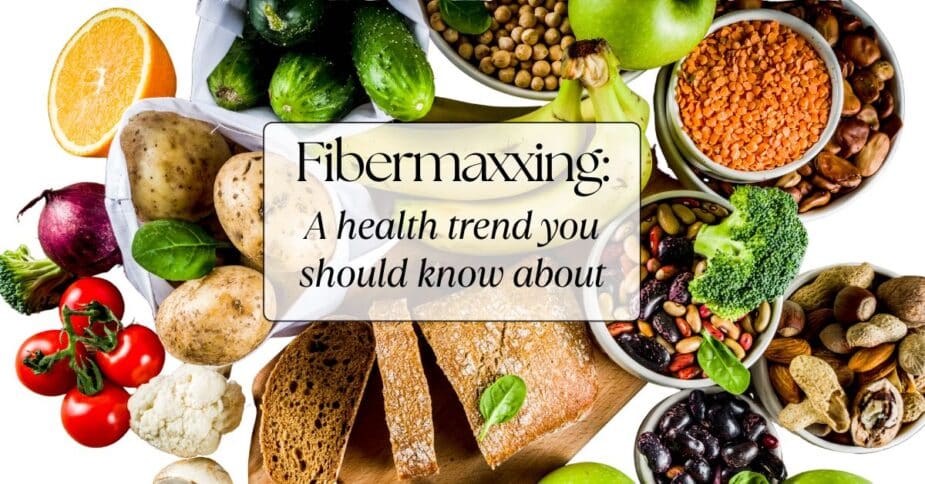
If you are on social media, and even if you aren’t, you may have heard of one of the latest diet trends, “Fibermaxxing.” Generally, this trend is about increasing your fiber intake to at least the recommended daily amount of 28-35g of fiber a day. Sounds reasonable, right? Except that 95% of Americans eat less than half that amount.
Now I don’t typically follow or recommend diet trends, as they often make unrealistic promises and lead to unachievable expectations. I’m also not crazy about the term “fibermaxxing,” but I can get behind the general idea behind it,…with the caveats that you don’t go overboard and increase your fiber intake slowly.
Hi, I’m Laura, a Registered Dietitian Nutritionist. My goal is to break down the science of fiber and help you discover delicious and realistic ways to incorporate more fiber into your daily routine.
What is Fibermaxxing, Really?
Despite the trendy name, fibermaxxing isn’t extreme or complicated. It simply encourages people to actually meet their daily fiber recommendations by adding more fiber-rich whole foods to their day – i.e., plants.
What I love is that it doesn’t focus on:
- Eliminating entire food groups
- Relying heavily on fiber supplements
- Following rigid or restrictive rules
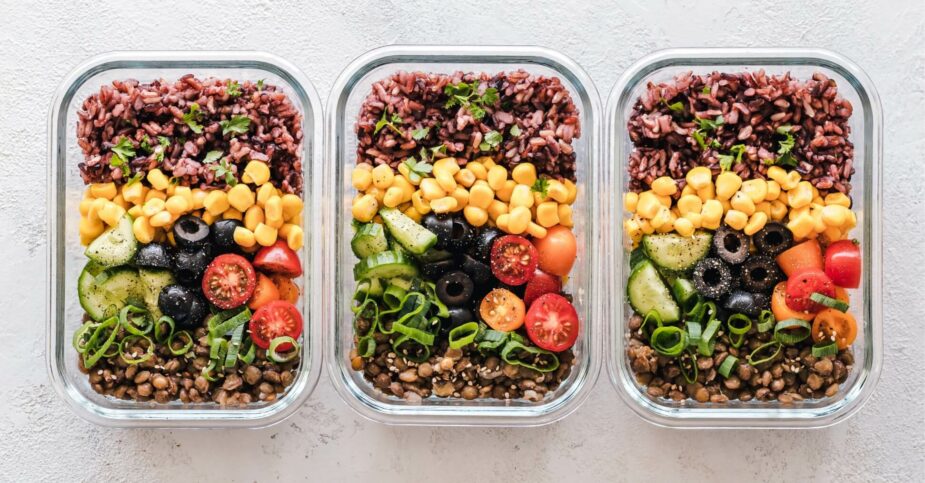
Instead, fibermaxxing is about adding foods like fruits, vegetables, whole grains, beans, nuts, and seeds. Not only do all of these foods add fiber…they also add a wide range of other nutrients.
How Much Fiber Do You Really Need in a Day?
One trusted source of nutrition guidance is The Institute of Medicine. They offer fiber recommendations relative to your calorie intake. They recommend 14g of fiber for every 1000 calories you eat in a day.
That works out to approximately:
- 21 grams/day for someone eating 1,500 calories
- 28 grams/day for someone eating 2,000 calories
- 42 grams/day for someone eating 3,000 calories
The problem? Most Americans are lucky to get half of that. Yikes!
But how do you know how much fiber you are eating? There are a couple of free apps I like where you can track what you eat and get an idea of how much fiber (along with other nutrients) you are getting in a day. Both MyFitnessPal and Cronometer offer a free version and provide a lot of information.
So yes, eating more fiber is a smart goal. But trying to max it out overnight is where people run into trouble. Big trouble. You really shouldn’t go from zero to sixty – or in this case, zero to 20 – 40 in a day.
If your current intake is low, jumping suddenly to 30 to 40+ grams per day can lead to unpleasant side effects like bloating, gas, constipation, or diarrhea. And after a few miserable days, many people abandon the effort altogether.
That’s not what we want.
How to Add Fiber the Smart Way
Here are my top five tips that I recommend when approaching fibermaxxing, especially if you’re starting from a low intake:
- Take it slowly. Gradually swap in one or two high-fiber foods. Use whole-grain bread on your sandwich for lunch, and add a teaspoon or two of chia seeds to your morning yogurt or smoothie.
- Build gradually. Start adding more plant-based foods as your body gets used to them.
- Drink plenty of fluids. Add a glass of water to your meals. Fiber pulls fluids into your digestive tract to help move the food through your system. If you don’t drink enough fluids, it can lead to constipation.
- Add some movement. Walking, stretching, and other kinds of gentle full-body movements can also support digestion.
- Choose whole foods over supplements most of the time. Yes, a supplement can help, but the foods that are rich in fiber are also nutrient-rich, so you are likely filling in other nutritional gaps as you focus on whole foods.
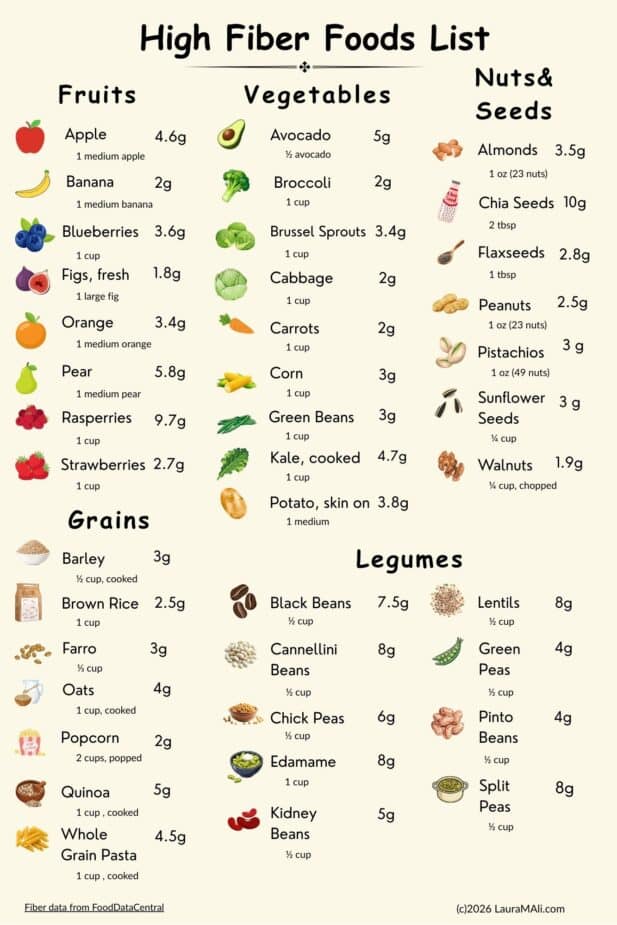
Fiber-Rich Foods
Fruits, vegetables, whole grains, nuts and seeds, and dried beans and peas are all excellent sources of fiber. Use this list to find some of your favorites.
Why Fiber Matters Even More as We Age
Fiber plays an important role in supporting healthy aging. From lowering cholesterol to helping maintain our weight. But let’s back up and start by understanding what fiber is, the types of fiber, and how they help.
Brain Health: Fiber supports a healthy gut, which plays a role in inflammation, mood, and communication between the gut and the brain. While research is still emerging, nourishing your gut with fiber-rich foods may be one simple way to support long-term cognitive health.
Heart Health: Fiber plays a major role in heart health. It binds to cholesterol in our digestive system, helping remove it from the body as waste. This process has been shown to lower LDL (“bad”) cholesterol levels, reducing the risk of heart disease.
Gut Health: Fiber-rich foods help keep our GI system regular. They pull fluid in, speeding up transit time in our GI tract, improving stool consistency, and providing food for the healthy bacteria in our GI tract.
A healthy gut microbiome supports nutrient absorption and plays a role in immune and metabolic health.
Weight Loss: Eating more fiber is associated with weight loss and helps with weight maintenance. High fiber foods tend to be filling and slow digestion. Adding more high-fiber foods can help decrease the munchies and keep you feeling full longer.
Blood Sugar Control: Fiber slows down the absorption and digestion of food, which helps regulate our blood sugar levels. Adding more fiber to the diet through food and supplements has been shown to lower fasting and after-meal blood sugar levels and fasting insulin levels.
Reduced Cancer Risk: An increased fiber intake is also associated with a lower risk of several types of cancer, particularly colorectal cancer. Numerous studies show that people who eat more fiber from whole foods like fruit, vegetables, whole grains, and beans have a lower risk of colorectal cancer.
Can You Eat Too Much Fiber?
If some fiber is good, shouldn’t more be even better? This is where fibermaxxing may become an issue. Yes, some fiber (20 – 40 grams a day) is good; more than this could cause health issues for some people.
Too much fiber can lead to:
- Gas
- Bloating
- Diarrhea
- Constipation
- Malabsorption
- Dehydration
- Bowel Obstruction
So, enough, not too much. And not overnight. You’ve got this.
My Favorite High Fiber Recipes
Italian Sausage Minestrone Soup
Healthy Lemon Chicken and White Bean Soup
Easy Avocado and Chickpea Toast
Dark Chocolate Chip Baked Oatmeal
For more ideas, download myE-Book with 25 Delicious Fiber-Focused Recipes (enter the discount code: “Fibermax” at checkout for a free copy.)
The Bottomline
Fibermaxxing doesn’t need to be extreme to be effective.
Think of it as a gentle shift toward eating more whole, fiber-rich foods. One meal, one snack, at a time. When done thoughtfully, increasing fiber can support heart health, digestion, blood sugar balance, and overall vitality as we age.
The goal isn’t to “max it out.”
The goal is to feel better, eat well, and build habits you can stick with for life.
If you want more delicious ways to add fiber to your diet, download my eBook with 25 Delicious Recipes to Boost Your Fiber Intake. (Enter the discount code: “Fibermax” at checkout for a free copy!)