
Last Updated on November 11, 2026 by Laura
“If I follow the MIND diet, will it keep me from getting dementia?”
It’s one of the questions I hear most. I understand why. When you see what dementia does to a family member or close friend, you want to know there’s something you can do for yourself and your loved ones.
But will a diet actually prevent dementia? Here’s the honest answer: no diet can guarantee you won’t develop dementia. But research suggests that eating the MIND diet way is linked with a lower risk of dementia as well as slower cognitive decline.
That difference, between preventing and reducing risk, matters. Understanding this nuance can help you set realistic expectations and help you stay motivated for the long haul.
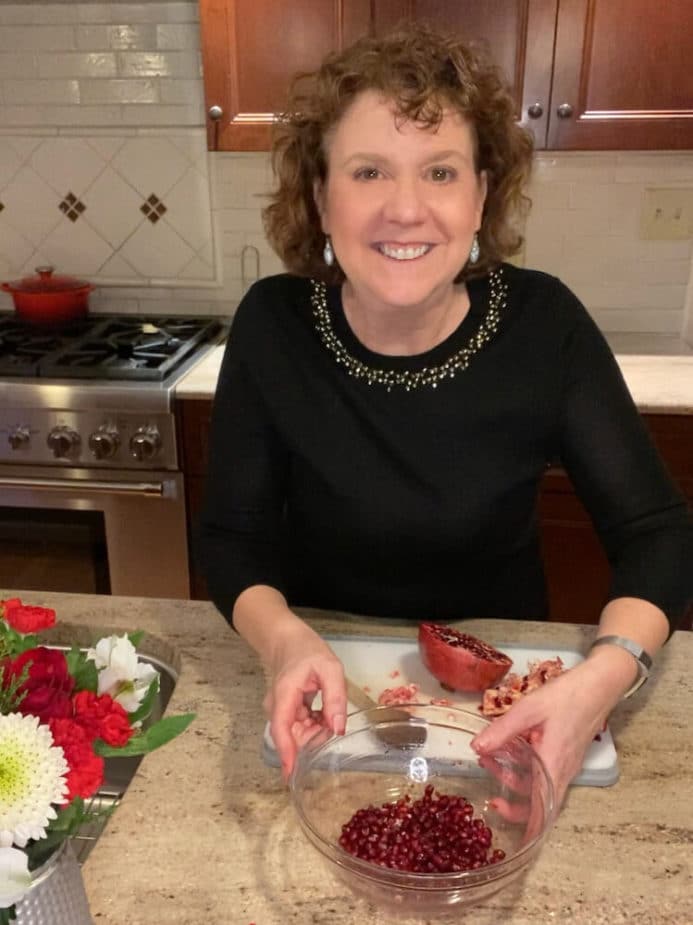
Hi, I’m Laura, a registered dietitian and author of MIND Diet for Two, and I’ve followed this research closely for years. Plenty of promising research supports this diet, and we learn more every year. I follow the MIND diet principles for my and my husband’s health as we age.
The Difference Between “Prevent” and “Reduced Risk”
“Prevent” and “reduced risk” mean very different things, and health professionals are careful about how they use each.
Prevent is a promise that by doing x, y won’t happen. While I wish that were the case, there is no evidence that eating a certain way will prevent dementia. Even if you follow the MIND diet to a T, genetics and other factors still play a role.
Reduced Risk means that by following or doing “x,” you’ll lower your risk of developing “y.” It doesn’t eliminate the possibility, but it lowers the chances of it happening.
Think of it like a seatbelt. You wear your seatbelt to reduce the risk of serious injury in a car crash. The seatbelt doesn’t completely prevent injury, but it does reduce your risk of serious injury.
Healthy eating is similar. We know that dementia isn’t caused by one thing alone. Some people are genetically predisposed, and our overall lifestyle can also play a role. However, eating well is one piece of the puzzle, and one you can control.
What the Research Says
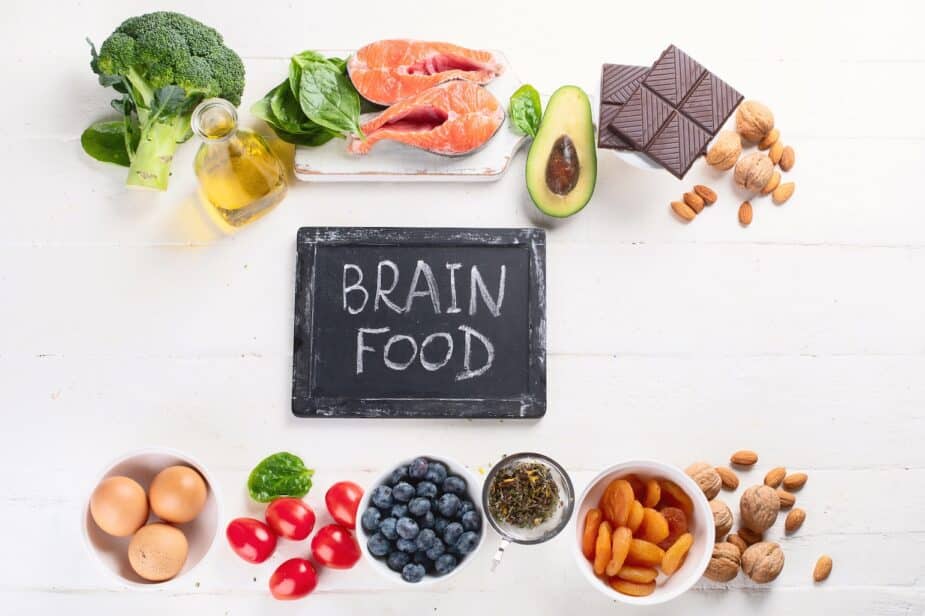
Let’s look back at how research on the MIND diet developed.
Dr. Martha Clare Morris at Rush University developed the MIND diet (Mediterranean-DASH Intervention for Neurodegenerative Delay). In a landmark 2015 study, researchers followed 923 older adults for nine years. They compared the MIND diet with two other diets, the Mediterranean and DASH diets, and assessed their neurologic status throughout.
The good news is that all three diets reduced the risk of developing dementia, but those who followed the MIND diet had a 53% reduced risk of developing dementia. Even those who followed the diet partially experienced a 35% reduced risk.
More recent studies have had mixed results. While some still show positive effects, other studies show little difference compared with an overall healthy diet.
In 2023, researchers published the first large randomized controlled trial of the MIND diet in The New England Journal of Medicine. It followed 604 adults ages 65 to 84 for three years. All had a family history of dementia, extra weight, and less-than-ideal eating habits.
Half followed the MIND diet. The other half followed their usual diet with mild calorie restriction. Both groups improved their cognitive scores, and the difference between them was small and not statistically significant.
Headlines called it a failure. I see it differently. First, 3 years isn’t long enough to really see any meaningful results. Dementia develops over decades, so a 3-year window likely isn’t enough time to see a difference. Second, both groups improved. Both lost weight and improved their eating habits, suggesting that changes to what you eat can make a difference.
What it Means for Your Plate
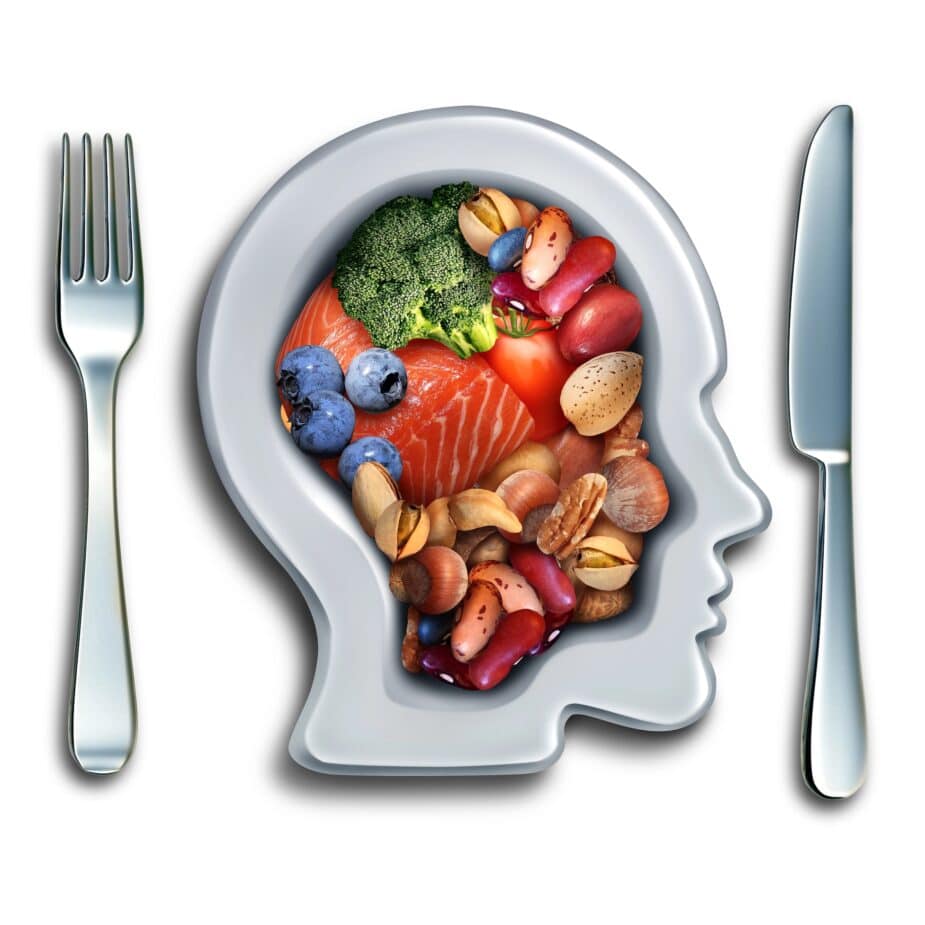
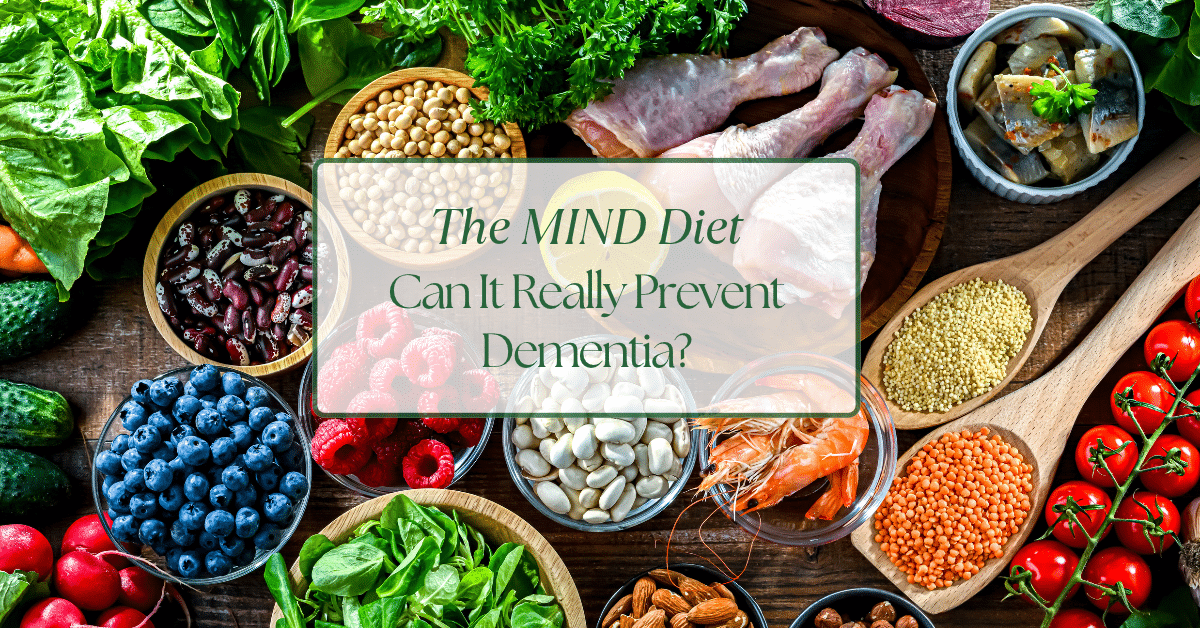
When I look at the evidence, I see foods that may protect your brain. Many of these same foods can also help protect your heart, eyes, immune system, and support healthy aging. Let’s get to eating!
Here are a few easy ideas to incorporate more MIND diet-friendly foods into your day:
- Start with leafy greens and berries. These are two standout MIND diet foods and the easiest to add to your routine. Add a salad to most meals, and mix fresh or frozen berries into your breakfast a few days a week. A few ideas to help you get started:
Lemon Arugula Salad with Chicken
Spinach and Kale Salad with Pomegranate Dressing
- Snack on nuts. Nibbling on nuts for an afternoon snack or mixing a few into a salad or your morning yogurt is an easy win.
Chicken Salad with Grapes and Almonds
- Replace your cooking oil with olive oil. Olive oil is the MIND diet’s main fat, and it’s an essential part of the Mediterranean diet.
- Eat seafood at least once a week and beans a few times a week. Enjoy at least one seafood meal a week and add beans to your soups, salads, and main dishes throughout the week. Here are a few of my favorite seafood recipes:
Salmon Casserole with Brown Rice
- Incorporate other brain-healthy activities throughout the week. What you eat matters, but so do regular exercise, a good night’s sleep, spending quality time with family and friends, and managing your blood pressure and blood sugar.
Keep in mind, the MIND diet isn’t all-or-nothing, and you don’t need to eliminate your favorite foods. Focus on adding more MIND diet-friendly foods, and enjoy your favorite treats occasionally.
Frequently Asked Questions
No evidence shows that any diet can reverse dementia once it develops. The research at this point focuses on lowering risk and slowing decline in people who don’t yet have dementia.
No. Newer research suggests that improving your diet in midlife and beyond is still linked to a lower risk of dementia.
Not at all. In the original Rush study, people who followed it only moderately well still had a 35% lower risk of Alzheimer’s.
They’re closely related, and both are linked to healthier brain aging. The MIND diet emphasizes leafy greens and berries. See my DASH vs. Mediterranean vs. MIND diet comparison for a side-by-side look.
No. It found no significant difference compared with a calorie-reduced control diet over three years, but both groups improved. It’s an important result, but not the final word.
You can still enjoy an alcoholic beverage occasionally. Wine was included in many of the initial studies on the MIND diet and is a part of the Mediterranean Diet. Moderation is still encouraged, as we know that too much alcohol can be detrimental to your overall health.
Bottomline
No eating pattern or diet will prevent dementia; however, incorporating healthy foods, mainly those found in the MIND diet, may help reduce your risk. If you have a family history of dementia, it may help to start adding brain-healthy foods to your regular meals.
If you are also overweight, have a history of heart disease, high blood pressure, or diabetes, making sure those are well controlled may help as well.
Ready to get started with the MIND Diet? Get my free 7-day MIND diet meal plan, complete with a shopping list and recipes. This meal plan and its recipes will guide you as you start incorporating MIND diet-friendly meals into your routine without feeling overwhelmed or feeling like you are starting from scratch. The shopping list helps you know what to buy at the grocery store.