Last Updated on August 5, 2026 by Laura
Is it just me, or does it feel like we’re constantly being bombarded with advice to eat more protein or try the latest high-protein snack or shake?
Everywhere you turn, there’s another commercial featuring an “active older adult” sipping a protein drink before effortlessly lifting a laundry basket like they’re training for the Olympics. It’s enough to make anyone roll their eyes. But beneath all the marketing hype, an important question remains: are protein supplements good for health, especially as we get older?
As we get older, are protein supplements really necessary for hiking, riding a bike, swimming, or just our normal daily activities?
Maybe not.
While some of these protein supplements and protein-boosted convenience foods may help, you might not need them (or the expense). Instead of relying on supplements, most people can focus on simple high-protein meals that fit easily into everyday routines (and grocery budgets).
Table of Contents
Why Protein Matters More as We Age
So what is the big deal with protein? Do you need more as you age?
Protein is key to healthy aging. You can read more about how it helps in my article 5 Reasons Protein May Be a Key for Healthy Aging.
Two of the most important roles protein plays in our health are keeping our muscles and our bones strong. As we age, we can lose both muscle mass and bone strength, increasing our risk for falls and broken bones.
Getting adequate amounts of protein can help repair muscles and minimize bone loss, ensuring that we can stay in shape and active throughout our older years. Focusing on getting enough protein in our 50s and 60s will help set us up well for later in life.
How Much Protein Do You Really Need After 50?
So, do you need to go whole hog (pun intended) and swig a protein drink every morning or add a scoop of protein powder to your coffee or breakfast smoothie?
Can You Get Enough Protein from Food Alone?
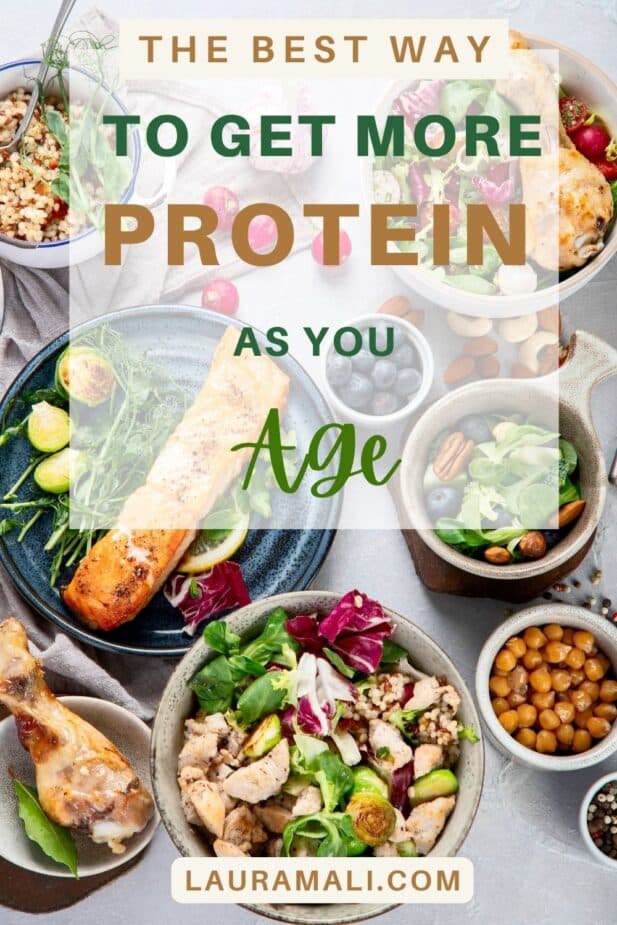
Most people can easily get enough protein from simple, balanced meals. In general, we don’t need protein supplements or highly fortified foods, especially when our meals are balanced and consistent.
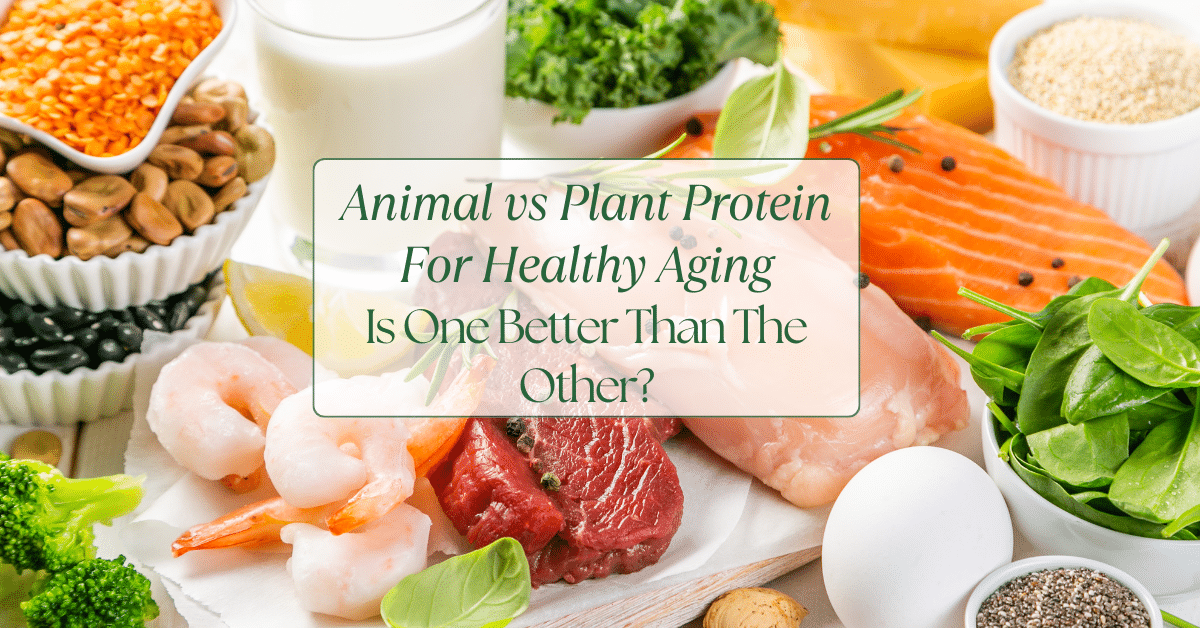
Plenty of real food sources of protein are easy, delicious, and perfect for us as we age.
For example, a dinner with roasted fish, vegetables, and a quinoa salad may contain 35 grams of protein or more. A breakfast with a poached egg over avocado toast could provide 12 or more grams of protein. Both are easy, high-protein meals that focus on whole foods and don’t require protein powders or supplements.
That said, there may be times when adding a scoop of protein powder or grabbing a protein bar makes sense.
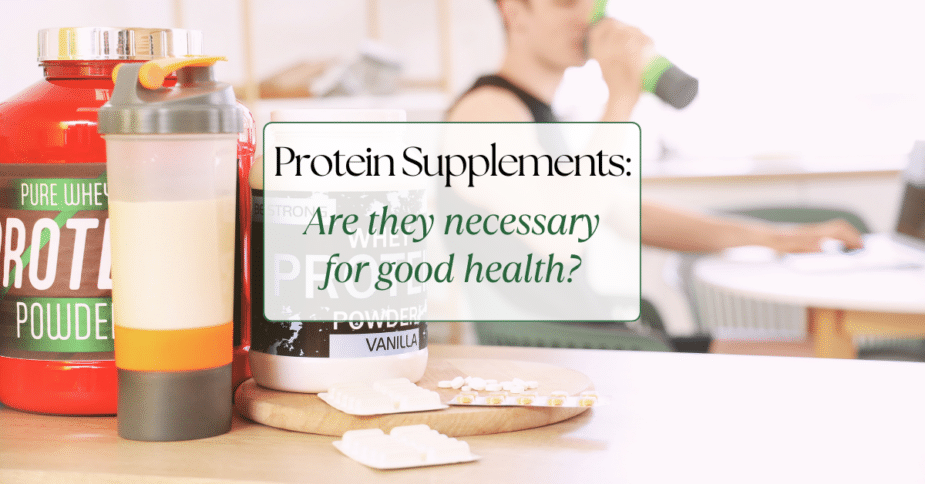
Are Protein Supplements Good for Health?
Protein supplements can certainly be helpful, but keep in mind they should be used to supplement, not replace a meal. One of the benefits of whole foods is that they are packed full of a variety of nutrients, not just protein. Each whole food we eat contains different essential nutrients. By eating a variety of foods, we get everything we need.
Some work together to improve absorption. Fat and some vitamins are a perfect example of this teamwork. Fat helps vitamins A, D, E, and K – the fat-soluble vitamins – to be absorbed from our food. Having a big leafy salad (which is full of vitamin K) and a full-fat salad dressing means that your body gets more nutrition from the salad because the dressing helps to absorb the vitamin K.
Because real food is more complex and complete, I always recommend starting there, not with a supplement. Use supplements to help support your food intake, not replace it.
When Protein Supplements Can Be Helpful
Most adults in their 50s and 60s don’t have any trouble eating enough protein. As you age, or if you have certain chronic diseases, you may need to be a little more mindful to make sure you’re getting enough. There are some times when a protein supplement may be useful:
Low Appetite or Eating Less
As we get older, our appetite diminishes. This is natural, but illnesses and some medications may accelerate this. Protein is filling, so when your appetite is low, you may find protein-rich foods to be too much. This is when a protein supplement that has a lot of protein in a small amount might be helpful.
Recovery from Illness or Surgery
If you’ve had major surgery (a complete hip or knee replacement, bypass surgery, or anything that requires general anesthesia and a multiday hospital stay) or a long illness, your protein needs are higher than when you are healthy, and you may need more protein to help with healing and getting your energy back. You may not be able to get enough protein through food alone.
Thankfully, this is usually temporary, but a protein supplement or protein-enriched foods may be needed, especially if your appetite is low.
Busy Schedules or Difficulty Preparing Food
We all have busy times when stopping to make a meal, or even sitting down to eat, may not be in the schedule. Protein supplements can fill a temporary need here. They are quick and convenient.
Difficulty Chewing
Who doesn’t remember downing milkshakes after having your wisdom teeth removed? If you’ve had dental surgery, chewing may be an issue for a while. Protein supplements, along with soft protein-rich foods, can be a big help while you recover.
When Protein Supplements May NOT Be Necessary
Is your appetite good? Do you eat regular meals and have time to prepare them? Are you at a healthy weight, and is your weight stable? Are you physically active and able to do everything you want?
If you answer yes to all or most of those questions, you probably don’t need a regular protein supplement.
Protein supplements can be expensive, too. If you get enough protein from food, then you should ask yourself if you really need to spend the extra money, or if good, wholesome food is the better option.
Whole Foods vs. Protein Supplements: What’s the Difference?
Whole foods also make it easier to enjoy variety, like plant-based protein recipes for healthy aging that add fiber and flavor along with protein.
Protein supplements can be packed with higher levels of protein than you can find in a comparable amount of food. They can be a good way to get a lot of protein (and sometimes other nutrients) in a small volume.
What to Look for in a Protein Supplement (If You Choose One)
If you choose to add a protein supplement to your routine, here are a few things to look for:
- A reasonable amount of protein: 20 – 30 g of protein per serving
- Protein source: Whey, casein, soy, or pea protein are good options
- Reasonable amount of added sugars: Aim for 5g or less per serving
- Limit Sugar Alcohols: Erythritol and sorbitol provide a sweet flavor but can cause bloating and gas.
- Reasonable Cost: Does it fit in your budget? Supplements can be expensive, so make sure it is something you can afford and fits in your food budget.
- 3rd Party Testing: Look for supplements that have been tested for purity and safety. The most highly respected are NSF International, United States Pharmacopeia (USP), Informed, and Labdoor.
- Taste: Probably most important and often ignored – Do you like it? If you don’t, look for something else.
For more details about protein supplements and what to look for review this post: What to Look For in Protein Supplement
Easy Ways to Boost Protein Without Supplements
While protein supplements are an option, for most people, you can easily add protein to your day without needing expensive supplements. Here are a few easy ways to boost your protein intake.
- Greek yogurt with fruit and granola is a delicious breakfast or mid-meal snack.
- Add nuts to a salad or roasted vegetables. (I love roasting walnuts with broccoli, cauliflower, or Brussels sprouts.)
- Hummus with crackers or vegetables is a great mid-afternoon snack.
- Add a scoop of non-fat powdered milk to scrambled eggs, omelets, or smoothies for an easy protein boost.
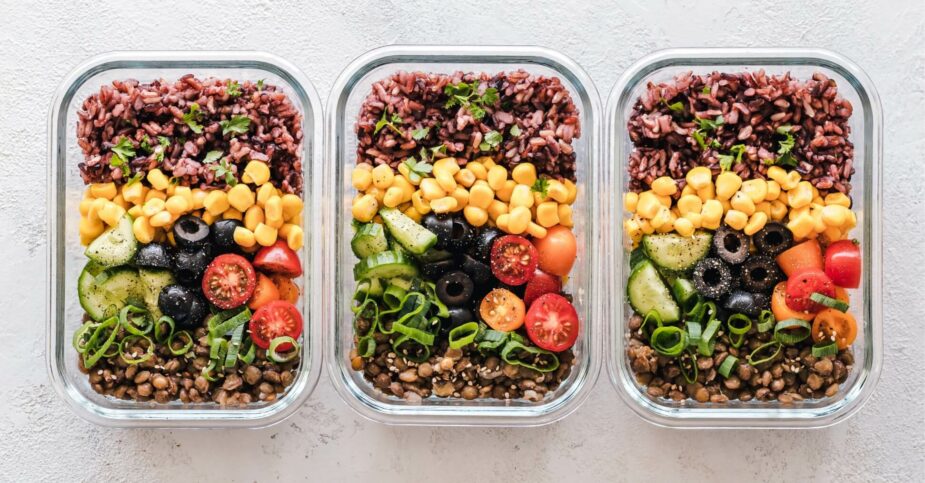
- Whole grains, such as quinoa, farro, or wild rice, can be used in addition to or in place of plain rice for a hearty side dish.
- Tinned fish like tuna, salmon, or sardines on crackers or hollowed-out cucumber halves are an easy afternoon snack.
Or explore my article on high-protein snack ideas to stay energized for more inspiration.
If you’re looking for easy, flavorful ways to add more protein to your day, I invite you to explore some of my favorite recipes. From quick lunches to satisfying dinners and protein-packed snacks, these are the kinds of meals that make healthy eating feel enjoyable and sustainable.
👉 Not sure where to start? Try one of these reader favorites:
🥗 Chicken Salad with Grapes and Almonds
A high-protein chicken salad recipe made with lean chicken breast, crunchy almonds, and sweet grapes for a balanced, satisfying lunch that supports healthy aging and steady energy. It’s a refreshing summer salad!4
🐟 Zesty Salmon Burgers with Sundried Tomatoes
An easy salmon burger recipe packed with heart-healthy omega-3s and high-quality protein, offering a flavorful way to enjoy more seafood for brain and heart health.
🍗 Fall Grain Bowl with Roasted Chicken and Rainbow Microgreens
A protein-packed grain bowl recipe featuring roasted chicken, whole grains, and colorful vegetables for a nourishing, balanced meal that supports strength and longevity.
🧆 Baked Falafel Salad
A plant-based protein recipe made with baked chickpea falafel, fresh greens, and vibrant toppings—perfect for a fiber-rich, satisfying vegetarian meal.
🍪 Peanut Butter Banana Muffins
A healthy snack recipe with protein and fiber, combining peanut butter and banana for a naturally sweet, energy-boosting option that pairs well with yogurt or milk.
Healthy aging shouldn’t be about relying on protein powders or shortcuts. Focusing on building habits around real, delicious food that you look forward to eating every day is the best way to go about it.
And quite honestly, who wouldn’t rather sit down and enjoy a smoky grilled piece of pork tenderloin with a zesty pasta salad and grilled veggies?
While there are times protein supplements may be helpful, most of us can get plenty of protein through the food we eat daily. Let’s dive in, get back to enjoying food, and use supplements as they were designed to be used: to supplement our diets, not take the place of good, healthy food.
The Bottom Line: Food First, Supplements as a Backup
At the end of the day, protein supplements can be a helpful tool—but they’re not a magic bullet for healthy aging. For most people, the real foundation comes from consistently eating balanced, nourishing meals that include a variety of protein-rich foods.
The encouraging part is that it doesn’t have to be complicated. Small, simple shifts, like including a source of protein at each meal or pairing it with your snacks, can go a long way in supporting your strength, energy, and overall well-being as you age.
And don’t forget: whether food or supplements, it can (and should!) taste good, too.
Pin Me to Easily Find this and Share it with Friends!